Condominium ownership Management – All You Need to Know 2026

Condominium management will remain in focus in 2026: legal changes, complex ownership structures, and growing requirements are challenging owners’ associations. Anyone who owns property today must deal with new rules, digital solutions, and increasing responsibility. This guide brings clarity to condominium management, explains all the key aspects, and shows how you, as an owner, can keep an overview. From legal fundamentals to digital trends – here you’ll learn how to lead your association safely and successfully through the coming years. Are you ready to actively shape the future of your property?
Fundamentals of Condominium Management
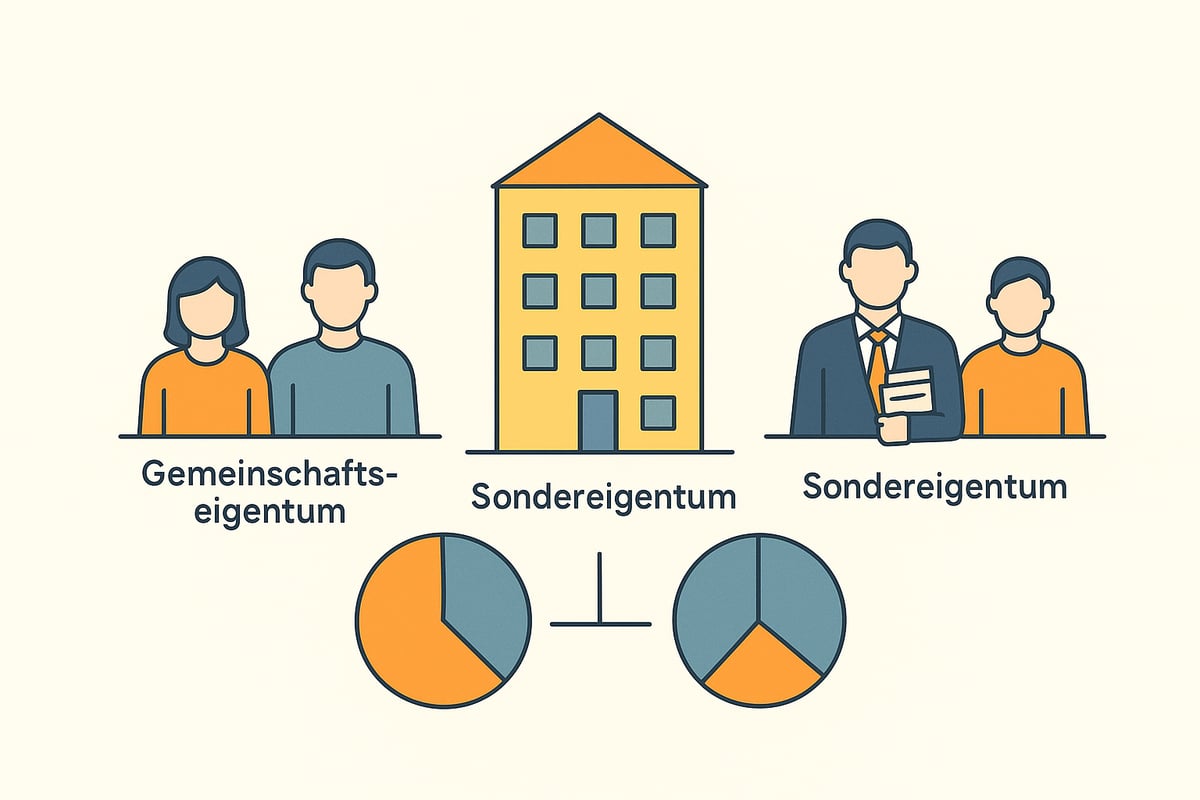
Condominium management is the heart of a well-functioning multi-family building. It ensures that common property is preserved and processes run smoothly. In everyday life, you encounter the separation between common property, such as the stairwell or roof, and separate property, such as your apartment. While the owners’ association makes decisions, the manager implements them. There are different models: in smaller complexes many opt for self-management, while in larger properties professionals often take over condominium management. Compared to rental management, the focus here is exclusively on the interests of the owners.
Definition and importance of WEG management
Condominium management encompasses all organizational, commercial, and technical measures that ensure harmonious coexistence and value preservation for owners’ associations. It’s important to distinguish: management regulates common property, the manager is the person executing it, and the owners’ association makes the fundamental decisions. Unlike rental management, the focus is not on tenants but on the community of all owners. Separate property management, on the other hand, concerns only individual apartments, for example when they are rented out. In practice, the importance becomes clear: only structured condominium management keeps the building stable in value over the long term and prevents conflicts.
Legal framework and current reforms
Condominium management is based on clear legal requirements. Central is the Condominium Act (WEG), supplemented by the German Civil Code (BGB) and various regulations. Since the WEG reform of 2020, many processes have become more modern and flexible. For example, managers can be removed more easily, and owners have more rights. These changes will continue to take hold through 2026. New requirements, such as the certified manager, are shaping practice. A comprehensive overview of the specific effects of the reform can be found at Effects of the 2020 Condominium Act reform. Statistics show that the share of HOAs (WEGs) in Germany is steadily increasing, making condominium management ever more important.
Role and responsibilities of the owners’ association
The owners’ association is at the center of condominium management. It makes all key decisions, appoints the manager, and sets the rules for living together. At the annual owners’ meeting, members vote on maintenance, modernization, and financial matters. The association is obliged to appoint a manager and ensure proper administration. Responsibilities range from maintaining the building to forming reserves. The number of owners’ associations is continuously growing, further increasing the importance of condominium management.
Distinction from other types of managers
In condominium management, distinguishing between different manager roles is important. Rental management deals exclusively with rental relationships and is relevant for landlords. Separate property management refers to individual apartments, usually for investors. In practice, this means that in a mixed-use property a manager can be responsible for common property as part of condominium management while also acting as a separate property manager for individual units. For owners and investors, it’s crucial to clearly separate responsibilities and manage condominium management in a targeted manner.
Appointment and duties of the manager
Condominium management stands and falls with a competent manager appointment. A professional manager ensures order, transparency, and smooth day-to-day operations in the owners’ association. But how does the appointment work and what requirements must be met? In the next sections, you’ll get a clear overview of the most important tasks, rights and obligations, as well as tips for successful collaboration with the advisory board.

Appointment, removal, and qualification
The appointment of the manager is a central element of condominium management. By law, the owners’ association appoints the manager for a maximum of five years, and for the first appointment only three years. The process: first, the call for tenders is prepared, then the election takes place at the owners’ meeting. Removal can be decided at any time by majority vote, for example in the event of a breach of duty or loss of trust. Since the WEG reform of 2020, qualification requirements have increased: only certified managers may be appointed. A typical election process looks like this: presentation of candidates, discussion, vote, and recording of the result.
Rights and duties of the manager
In condominium management, the manager represents the owners’ association internally and externally under §9b WEG. Key duties include the proper administration of common property. This includes compliance with the house rules, management of community funds, and informing owners about all relevant matters. The manager is also obliged to take out financial loss liability insurance to protect the association against financial risks. Close cooperation with external service providers, for example for repairs or maintenance, is essential. Regular reports and transparent communication strengthen owners’ trust.
Typical areas of responsibility in practice
Condominium management is very diverse in practice. It ranges from commercial tasks such as accounting, budget, and annual statement, to technical topics such as maintenance, servicing, and modernization, and general administrative tasks such as organizing owners’ meetings and communicating with all stakeholders. Modern tools and software solutions, such as the integration of management software, make many processes easier today and offer more transparency. One example: preparing the budget is now often done digitally, reducing sources of error and giving all owners direct access to important documents. Industry surveys show that commercial administration and communication are perceived as particularly challenging.
Collaboration with the advisory board
The advisory board plays an important role in condominium management as a link between owners and the manager. The board supports the manager in preparing meetings, reviews statements, and monitors the implementation of resolutions. In practice, this collaboration ensures greater transparency and better control of management. For example, when major refurbishments are planned, the advisory board and manager jointly review bids and awards. This way, everyone benefits from efficient and proper administration.
Process and organization of condominium management
Condominium management thrives on clear organization and fixed processes. Only then can the association function smoothly and preserve value in the long term. Especially in 2026, transparency and efficiency are more important than ever.
Owners’ meeting and resolutions
The owners’ meeting is at the core of condominium management. It is convened at least once a year by the manager. The invitation includes an agenda, for example: annual statement, budget, maintenance, and elections.
The meeting has a quorum when more than half of the co-ownership shares are represented. Votes are usually by headcount or by share majority. All resolutions passed are documented in the minutes and the register of resolutions.
A typical agenda includes:
-
Welcome and determination of quorum
-
Approval of the previous minutes
-
Presentation and discussion of the annual statement
-
Resolutions on maintenance and modernization
According to industry statistics, participation rates at meetings are usually between 50 and 70 percent. A well-organized process strengthens condominium management and avoids conflicts.
Budget, annual statement, and asset report
Solid financial planning is the heart of every condominium management. The budget is prepared annually and sets out the expected costs and HOA fee payments.
The annual statement shows how actual income and expenses developed. Since the WEG reform of 2020, an asset report is also mandatory. It provides information on the level of reserves and community assets.
Important deadlines:
-
Budget: no later than three months after the start of the year
-
Annual statement: no later than six months after the end of the fiscal year
-
Review by the advisory board or an external auditor recommended
Typical sources of error are posting mistakes or missing receipts. According to current statistics, around 20 percent of all annual statements are challenged by owners each year. Care and transparency are therefore indispensable for successful condominium management.
Management of community funds
Managing community funds is a central element of condominium management. Community funds must be kept strictly separate from the manager’s private assets in so-called separate client money accounts.
Bank accounts are held in the name of the owners’ association (WEG), which provides additional security. The handling of maintenance reserves is particularly important, as these are intended for larger repairs or modernization.
Practical tip: Regularly checking account balances and proof of financial loss liability coverage protect the association from financial risks. This keeps condominium management secure and traceable even when the manager changes.
Digitization and modern management solutions
Digitization is fundamentally changing condominium management. Digital tools enable efficient document storage, online communication, and even digital owners’ meetings.
Trends such as automated billing processes and online voting save time and reduce errors. Modern solutions increase transparency for all stakeholders. If you want to learn more about the use of digital solutions, you can find details at Digitization in property management.
Digital administration is already standard in 2026 and ensures future-proof condominium management.
Proper administration and typical challenges
Proper condominium management forms the backbone of every owners’ association. It ensures that all processes are transparent, efficient, and legally compliant. In everyday life, however, numerous challenges arise that demand much from both managers and owners. From complying with legal requirements to handling disputes and new social demands—condominium management must constantly evolve.
Requirements for proper administration
The requirements for proper condominium management are clearly defined in §19 WEG. These include compliance with the house rules, regular maintenance of common property, adequate insurance coverage, and building adequate reserves. These requirements not only preserve value but also minimize risk for all involved.
Particularly relevant are the legal foundations of management, which are regularly updated. Since the WEG reform of 2020, managers must pay greater attention to transparency to meet owners’ growing need for information. Statistics show that the most frequent points of contention in owners’ associations are cost allocation, modernization measures, and questions regarding the use of common property.
Handling conflicts and disputes
Conflicts are part of everyday condominium management. Typical points of dispute are maintenance measures, cost allocation, and the use of common areas. Different interests often arise, especially during modernization.
Effective solutions include, for example:
-
Mediation by external experts
-
Conciliation within the owners’ meeting
-
If necessary, clarification in court
The manager often assumes the role of a neutral mediator. A practical example: in the event of disagreement over a planned energy retrofit, structured moderation within the meeting can help find viable compromises.
Challenges due to legal and social changes
Legal innovations and social trends are putting increasing demands on condominium management. The introduction of charging options for e-mobility, requirements for energy retrofits, or new climate protection laws are changing the requirements for buildings and management.
Demographic developments, such as an aging owner base, also bring new needs. Rising construction and energy costs, as well as inflation, increase financial pressure on the association. Management must react flexibly, for example by adjusting reserves or planning investments early.
Table: Current challenges and solutions
|
Challenge |
Proposed solution |
|---|---|
|
E-mobility |
Plan charging infrastructure |
|
Energy retrofit |
Check funding opportunities |
|
Inflation/costs |
Adjust budgets |
|
Demographics |
Improve accessibility |
Prevention and risk minimization
Forward-looking condominium management focuses on prevention. Transparent communication, regular owners’ meetings, and proactive maintenance planning prevent many problems. It is especially important to continuously review existing insurance policies to protect against risks such as liability cases or natural hazard losses.
Open information policies and clear documentation can prevent many conflicts. Owners benefit when they are involved early in decision-making processes and the manager acts as a trustworthy point of contact.
Digital tools and automation in WEG management
Digitization is fundamentally changing condominium management. Digital tools provide more efficiency, transparency, and better collaboration between owners and managers. Modern software solutions make many processes significantly easier and noticeably reduce administrative effort.
Digitization trends in property management
Digital platforms are now the heart of modern condominium management. They make it possible to store documents centrally, bundle communication, and conduct votes online. The advantages are obvious: time savings, faster decision-making processes, and significantly more transparency for all involved.
More and more owners’ associations are using digital owners’ meetings and online voting. According to current trends, the share of digitally managed WEGs will continue to rise by 2026. Challenges mainly exist in data protection and the acceptance of new systems. Those who overcome these hurdles benefit from more efficient management in the long term.
Automation of document and invoice processes
Automating processes is another milestone in condominium management. Automated workflows handle recurring tasks such as recording condo fee payments, preparing statements, or forwarding invoices to advisory board members and owners.
Many managers integrate different software solutions to achieve seamless automation. A practical example: invoices are automatically captured digitally, reviewed, and posted. This saves time and minimizes sources of error. Those who want to dive deeper will find practical tips and tools for everyday work at Automated accounting solutions for WEGs.
Data security and GDPR compliance
With the digitization of condominium management, responsibility for protecting sensitive data also increases. Managers must comply with strict data protection requirements and implement measures such as encryption and access controls. Only then does management remain GDPR-compliant and reliably protect owners’ interests.
Regional particularities and outlook for 2026
Condominium management often differs significantly from country to country. A comparison between Germany and Austria in particular shows how different regulations, practice, and future trends can be. Here you’ll get a compact overview of the most important differences and an outlook on key developments up to 2030.
Differences and particularities in Austria and Germany
Although condominium management in both countries is based on a similar basic principle, there are crucial differences. In Germany, the WEG stipulates that every association must appoint a manager, while in Austria management is often shaped more strongly by the co-owners themselves.
A comparison of management practice:
|
Feature |
Germany |
Austria |
|---|---|---|
|
Legal basis |
WEG, BGB |
Condominium Act (Austria) |
|
Manager requirement |
Yes, required by law |
Not always mandatory |
|
Owners’ meeting |
At least once a year, clearly regulated |
More flexible, in part less formal |
|
Prevalence of WEGs |
High, steadily increasing (Statistics homeowners’ associations Germany 2026) |
Lower prevalence |
In practice, this means that condominium management in Germany is usually more structured, while more individual solutions emerge in Austria.
Future developments and trends
Condominium management will be strongly shaped by digitization and sustainability in the coming years. By 2030, experts expect a significant increase in digital tools, for example for online voting or digital meetings. Climate protection laws such as the impact of the 2026 EU building directive also play a major role, as they require energy retrofits and new standards.
Important trends:
-
Investments in digital management solutions are increasing
-
Sustainability and energy efficiency are gaining importance
-
Legal requirements are becoming more complex
Those who rely on modern condominium management today benefit in the long term from greater transparency and future security.
Recommendations for owners and managers
To be successful in condominium management in 2026 and beyond, you should keep a few skills and strategies in mind:
-
Digital skills: Use modern management software and digital tools.
-
Continuing education: Stay up to date on legal changes and technology.
-
Network: Exchange ideas regularly with other managers and owners.
-
Proactive planning: Rely on transparent communication and early maintenance measures.
This ensures that your condominium management is up to future challenges.
You now have a comprehensive overview of the most important aspects of condominium management in 2026—from legal foundations and digital tools to modern workflows. Especially given the multitude of documents, statements, and legal requirements, smart automation can make all the difference. If you want to make your management more efficient, transparent, and secure, try out how filehub can simplify your everyday tasks and give you more time for what really matters.
Try Filehub.one for free now


