Weg Property Management Guide 2026: Everything You Need to Know at a Glance
How can homeowners’ associations reduce administrative costs in 2026 while safeguarding property value? WEG property management faces new challenges that demand smart solutions.
This guide gives you a clear overview of all key aspects of WEG property management in 2026. Whether you’re an owner, a members’ advisory board representative, or simply interested, you’ll find practical information, current regulations, cost overviews, and tips for efficient workflows here.
What can you expect? We explain what a WEG is, which tasks the management handles, how costs are structured, how a manager is appointed, and which trends matter in 2026. Stay tuned and get the knowledge that counts for successful management.
What is a WEG and how does it work?
A condominium owners’ association, also called a WEG, forms the foundation of every WEG property management. It governs the legal and organizational aspects of living together and managing condominiums. Anyone who owns a condominium automatically becomes part of a WEG and assumes rights and obligations within the community.
Definition and legal basis
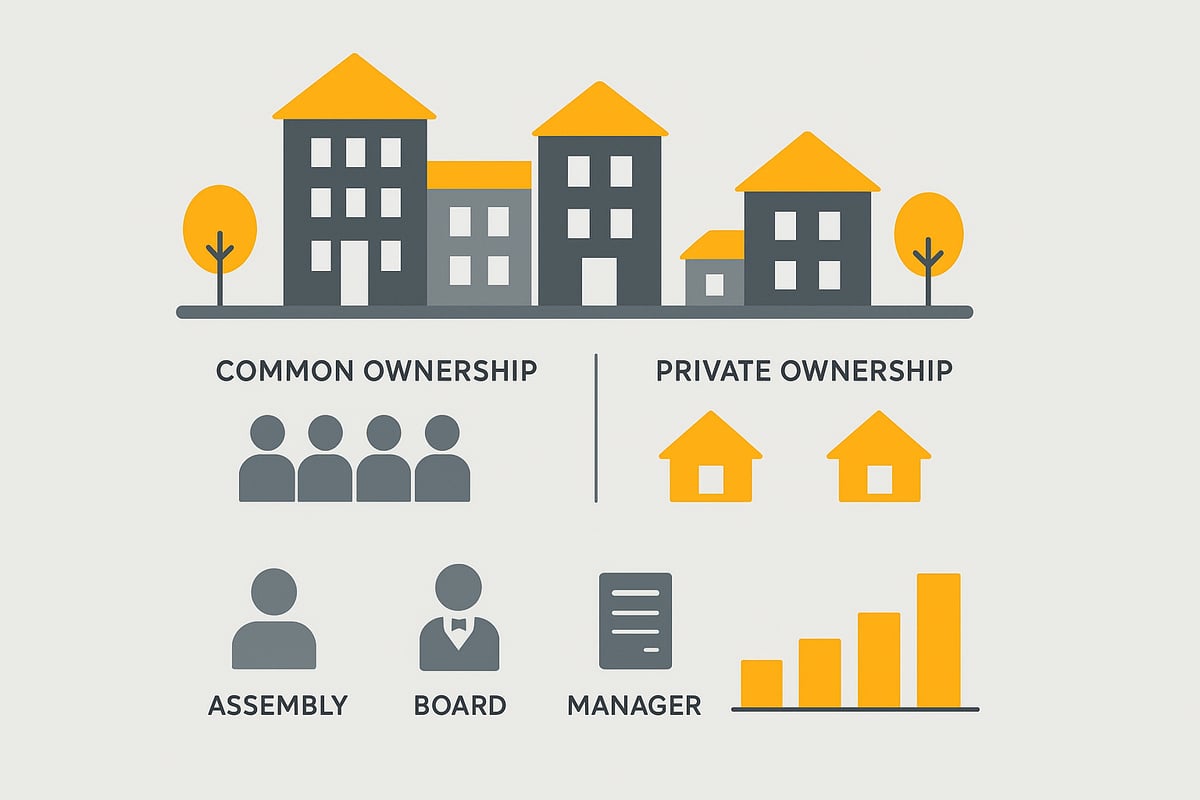
The condominium owners’ association (WEG) is the community of all condominium owners within a property. The legal foundation for WEG property management is the Condominium Act (WEG law), which defines owners’ rights and obligations. The declaration of division and the community rules determine how the building is divided and how living together is regulated.
Each owner has separate property (Sondereigentum) in their apartment and is also a co-owner of the common property (Gemeinschaftseigentum), such as the roof, stairwell, or garden. For example: while window frames are usually common property, the window itself often belongs to the separate property. The interplay between both areas is central to organizing and performing the tasks of WEG property management.
Structure and bodies of a WEG
A WEG consists of several bodies that ensure the community is managed effectively. The most important are the owners’ meeting, the advisory board (Verwaltungsbeirat), and the manager. The owners’ meeting makes fundamental decisions—such as those concerning maintenance or modernization. The advisory board acts as a link between the manager and the owners and supports oversight.
The manager implements resolutions in practice and handles day-to-day administration. A typical owners’ meeting starts with the invitation, followed by resolutions on key topics. WEG property management benefits from a structured interplay of these bodies.
Rights and obligations of owners
Owners have the right to participate in and vote on community decisions. This includes the use of maintenance reserves, setting condominium fees (Hausgeld), or implementing renovation measures. Everyone shares the community’s costs proportionally and must comply with the house rules.
In case of violations, measures up to and including resolutions can be adopted. According to statistics, the average level of reserves in German WEGs is around 27 euros per square meter of living space annually. Transparent WEG property management ensures that these rights and obligations are clearly regulated and implemented.
Tasks of WEG property management in 2026
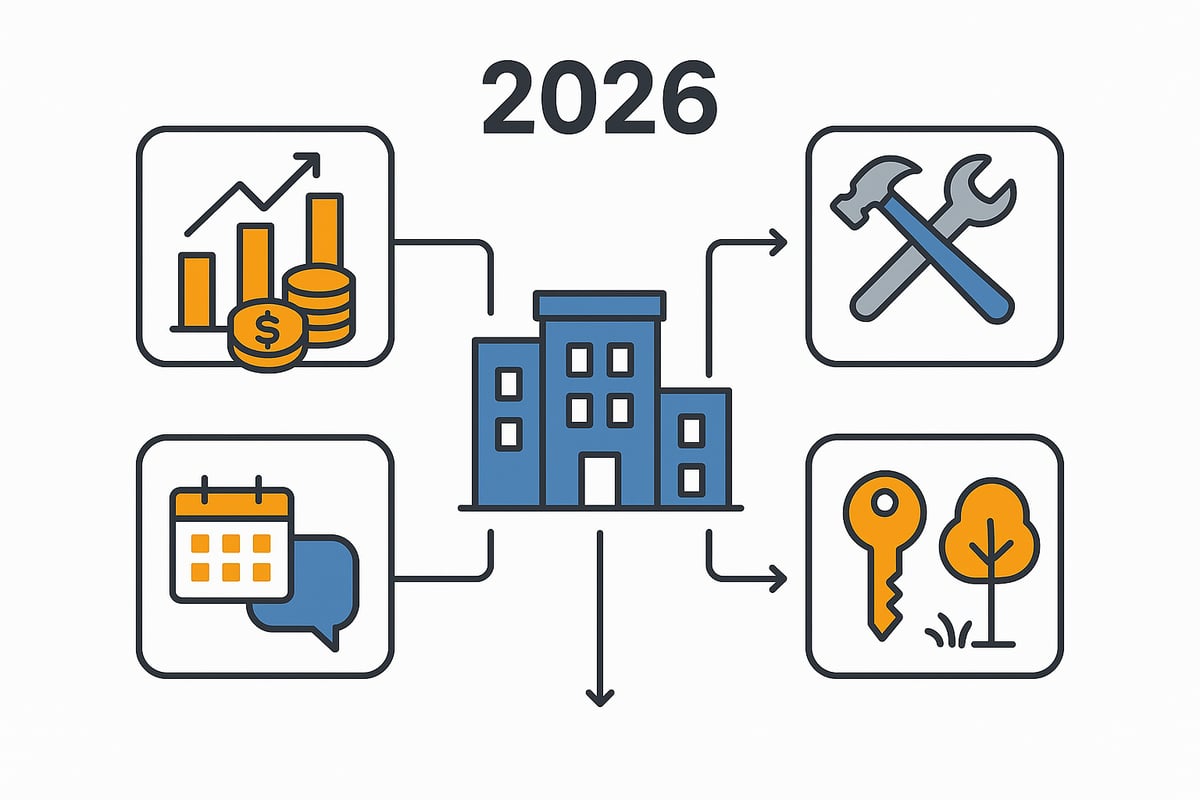
The tasks of WEG property management are more varied and demanding in 2026 than ever before. Modern owners’ associations expect clear structures, efficient processes, and transparent administration. Whether financial, technical, or administrative areas—the requirements are steadily increasing. Digitization, in particular, opens new opportunities but also requires adaptability. Below, you’ll learn how the central areas of WEG property management are structured in 2026 and what matters most.
Commercial tasks
In 2026, commercial tasks are at the heart of WEG property management. These include managing community assets, bookkeeping, and payment monitoring. Modern software solutions enable automated accounting, such as those offered by Automated accounting for WEGs.
- Creation and control of financial plans
- Annual statements and dunning
- Optimization of existing contracts, for example for energy or maintenance
Practical example: By targeted contract optimization, owners’ associations can save several thousand euros per year. Digitization provides greater transparency and efficiency here.
Technical tasks
Technical support is a cornerstone of any WEG property management. It involves ongoing monitoring of the building’s condition and technical systems.
- Organization and supervision of maintenance and renovations
- Obtaining and comparing contractor quotes
- Conclusion and monitoring of maintenance contracts
A typical process: After identifying damage, a contractor is commissioned, quotes are obtained, and measures are documented. Energy-efficient renovations are particularly in demand in 2026 and increase the property’s long-term value.
General and administrative tasks
WEG property management handles numerous administrative tasks essential for smooth operations. This includes communication with owners, authorities, and service providers.
- Preparation and execution of owners’ meetings
- Compliance with legal deadlines and regulations
- Handling complaints and conflicts
Practical example: In case of disputes within the community, management acts as a mediator, documents proceedings, and ensures an objective resolution. This helps maintain harmonious community life.
Separate property management
In addition to classic community management, WEG property management often also offers management of separate property in 2026. This covers rented apartments, parking spaces, or gardens within the WEG.
- Rental management and new lettings
- Organization of repairs in separate property
- Monitoring rental payments and statements
A practical case: Management handles the re-letting of an apartment, coordinates contractors for renovations, and ensures a smooth handover. Owners benefit from comprehensive, relieving services.
Costs of WEG property management: What owners can expect in 2026
The costs of WEG property management are among the most important factors for owners. In 2026, many communities face the challenge of managing rising prices and new requirements. Those who understand the cost structure can save in a targeted manner and ensure transparency.
Pricing structure and billing models
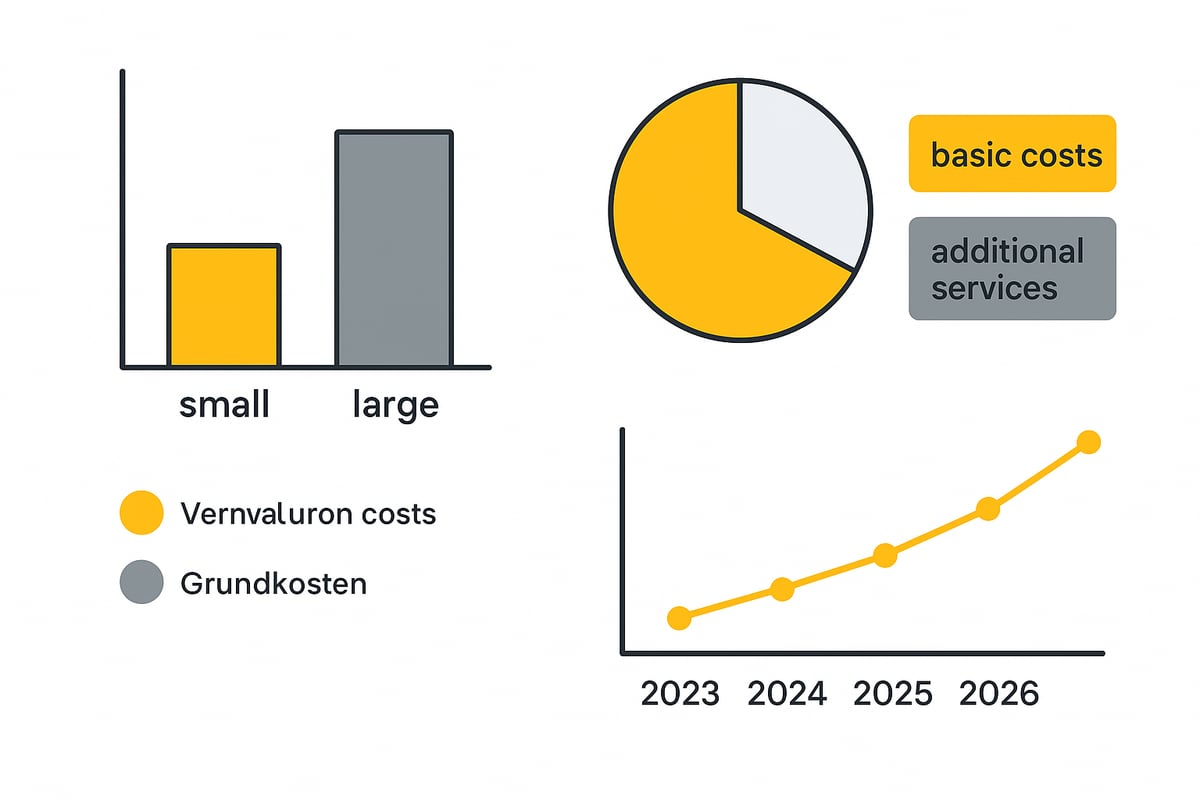
The pricing structure of WEG property management is usually based on the number of residential units. Typically, each unit pays a monthly flat fee; in larger complexes (over 20 units), this is usually between 20 and 30 euros. Smaller WEGs with fewer units often pay more per apartment. Additional services, such as renovation support, are billed separately.
An example calculation: For a 10-unit WEG, monthly costs are around 300 euros; for 30 units, about 600 euros. Those seeking details on allocation and legal foundations will find valuable information in the WEG Cost Compass 2026. This helps you keep an overview of the cost structure.
Scope of services and additional services
The basic price of WEG property management typically includes bookkeeping, meeting organization, and everyday administrative tasks. Additional services such as legal advice, support for energy-efficient renovations, or insurance processing are billed separately.
Typical extra costs arise, for example, with major maintenance projects or specialized consulting. Make sure all additional services are listed transparently. Tip: Always request a detailed service overview to exclude hidden costs. Studies show that additional services account for about 15 to 20 percent of total costs on average.
Factors influencing costs in 2026
Several cost factors play a role for WEG property management in 2026. Inflation and energy prices affect monthly contributions, as do new legal requirements. Digitization can reduce costs when processes are automated, although investments in new software may also be required.
Regional differences are noticeable: in major cities, the cost per unit is usually higher than in rural areas. The 2026 WEG reform could also influence price trends through stricter requirements for transparency and manager qualifications.
Current trends: digitization and automation
WEG property management increasingly benefits from digital tools. Management software, online portals, and automated accounting processes increase efficiency. Digital owners’ meetings and online votes save time and money.
Many managers are already using digital solutions to streamline workflows and minimize errors. This makes management more transparent and future-proof for everyone involved.
Appointment and change of the WEG manager: step by step
The appointment and change of the manager are central topics in WEG property management. Being well informed strengthens the community and protects the property. Here you’ll learn how the process works, what to look out for, and how to avoid mistakes.
Requirements and process for appointing a manager
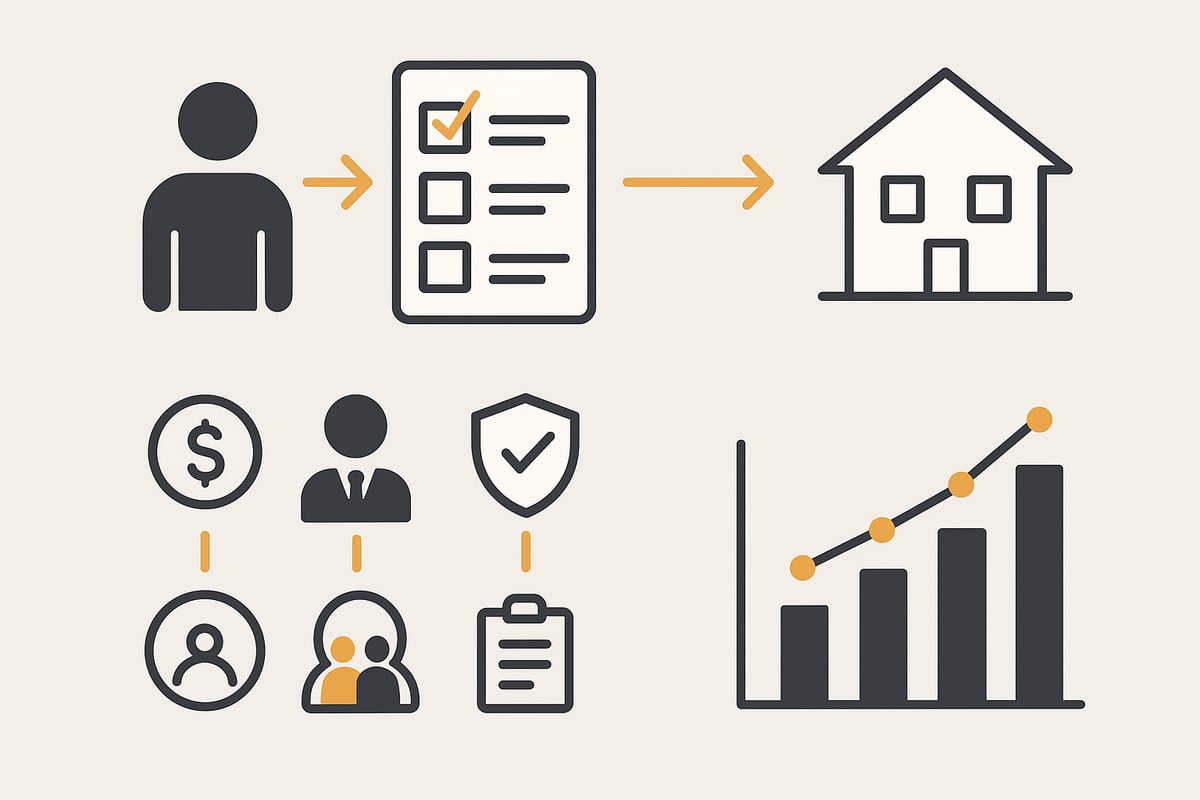
In WEG property management, the owners’ association jointly decides on the appointment of the manager. The election usually takes place at an owners’ meeting, and a majority of votes is required. The appointment generally applies for five years, and often three years for the initial appointment.
Formal requirements such as written documentation and precise minutes are mandatory. A typical process: first, the invitation with the agenda is sent; then candidates are presented; and finally, the vote takes place. After a successful election, the management contract is concluded and recorded in the minutes.
A structured process prevents uncertainty and protects against later disputes. This keeps WEG property management transparent and traceable.
Criteria for selecting the right manager
Choosing the right manager is crucial for smooth WEG property management. Pay attention to professional qualifications, recognized certificates, and relevant work experience. References from comparable properties provide additional assurance.
Other important selection criteria are a comprehensive scope of services, transparent cost structures, and open communication. Digital skills are becoming increasingly important: modern Digital solutions for property management enable efficient workflows and better collaboration.
Our tips for selection:
- Check certificates and qualifications.
- Compare service offerings and prices.
- Request references.
- Clarify digital capabilities and interfaces. This is how you’ll find the manager that fits your community’s WEG property management.
Change and removal of the manager
A change of manager may be necessary if the collaboration no longer works or the term of appointment expires. Owners have the right to remove the manager by majority resolution. Reasons can include dissatisfaction, lack of transparency, or breaches of contract.
The process requires that the agenda item be announced in good time and that the vote be documented. After the resolution to remove the manager, the search for a new one begins. The deadlines and consequences of an extraordinary removal are clearly defined by law so that WEG property management remains able to act.
With good preparation and clear agreements, the change proceeds smoothly and the community’s interests are protected.
Legal changes & WEG reform 2026: What’s new?
What innovations does the 2026 WEG reform bring for WEG property management? Aimed at simplifying processes and increasing transparency, numerous provisions of the Condominium Act have been adjusted. The focus is particularly on digital procedures, new requirements for managers, and strengthening owners’ rights.
Owners’ associations will benefit from clearer provisions on quorum and the management of their facilities. WEG property management must adapt to changed framework conditions, such as mandatory proof of qualification for managers and stricter documentation obligations. Management of common and separate property will be regulated more precisely through clear guidelines. Digital voting procedures are expressly permitted for the first time, significantly increasing the flexibility of owners’ meetings.
Digitization and new requirements
From 2026, digitization will shape WEG property management more strongly than ever. Owners’ meetings can now be held entirely digitally, including online voting and electronic minutes. This speeds up decision-making processes and reduces administrative costs. According to current surveys, the share of digitally managed WEGs rose from 24% (2025) to 39% (2026).
| Year | Share of digitally managed WEGs |
|---|---|
| 2025 | 24 % |
| 2026 | 39 % |
Managers must demonstrably use digital tools to ensure transparency and efficiency. Those who want to learn more about process automation will find practical insights in this article on Digital property management 2026. Digital communication channels with owners are also mandatory.
Tips for owners: How to adapt quickly
How can you, as an owner, make the most of the opportunities in WEG property management in 2026? Here are the most important tips:
- Check whether your management uses digital tools and platforms.
- Request regular transparency reports and digital minutes.
- Look for certified managers with proven digital competence.
- Use guides such as Digitization in real estate management to understand trends and solutions.
The new regulations offer you the chance to optimize processes and actively contribute to preserving your property’s value. This keeps WEG property management efficient and future-proof in 2026 as well.
Tips for efficient and future-proof WEG property management
Efficient WEG property management preserves the property’s value and ensures harmonious community life. Clear communication is the foundation of successful collaboration. Keep all owners regularly informed and document important decisions transparently. This builds trust and a strong sense of community.
The collaboration between management, the advisory board, and owners is crucial to success. Shared goals and respectful interaction help identify and resolve conflicts early. Those who address problems openly create a constructive atmosphere for the entire WEG property management.
Digital tools and platforms streamline processes and save time. Modern software for WEG property management enables online voting, digital document storage, and automated billing. Solutions like Property management solutions help design workflows efficiently and in compliance with regulations. Use digital platforms to distribute information in a targeted manner and meet deadlines.
A structured maintenance plan and forward-looking reserve management protect against unpleasant surprises. Regularly reviewing the building’s condition and planning renovations in good time are essential. In case of conflict, neutral moderation helps prevent escalation.
Practical example: Successful communities rely on open communication, regular owners’ meetings, and clear task distribution. Decision paths are documented, reserves are managed transparently, and conflicts are resolved promptly.
Checklist for smooth management in 2026:
- Establish clear communication channels
- Use digital tools wisely
- Create and maintain a maintenance plan
- Review reserves regularly
- Establish conflict management
- Clearly define tasks and responsibilities
With these tips, WEG property management remains efficient, future-proof, and stable in 2026 as well.
You now have a comprehensive overview of the most important aspects of WEG property management in 2026—from legal foundations and tasks to current trends in digitization and automation. If you want to make your management more efficient and future-proof, it’s worth trying digital tools like filehub. They let you automate tedious document processes, save time, and always stay in control of important records. Just give it a try and discover how much easier your WEG management can be—try filehub.one for free now.


