Property Manager Guide 2026: Guide to Successful Management

The real estate world is changing rapidly in 2026 as well. Owners and property managers face digital challenges and opportunities that set new standards. The tasks of property management range from organization and maintenance to communication. But what distinguishes traditional property management from WEG management, and how does it fit into real estate management?
Especially in times of digitalization, efficiently managing processes and teams is becoming increasingly important. Networked systems and modern software, such as filehub, simplify daily work, save time, and create transparency. This guide shows you how a property manager masters their tasks and which trends, tools, and solutions are crucial for successful management in the digital age.
What is a property manager? Definition, roles, and distinctions
Today, a property manager is far more than just a mediator between owners and tenants. The role has changed significantly in the wake of digitalization. As a central interface, the property manager ensures that properties are operated economically, maintained technically, and managed in a legally secure manner.
Typical tasks include organizing maintenance, communicating with tenants, commercial management, and managing external service providers. Property management also assumes responsibility for preserving value and ensuring the economic efficiency of a property. While private owners often cover only individual tasks, professional property managers rely on modern software and networked systems to manage processes efficiently. According to Immowelt, more than 80 percent of multi-family houses in Germany are managed by professionals. For homeowners’ associations and investors, professional property management is therefore an indispensable partner.
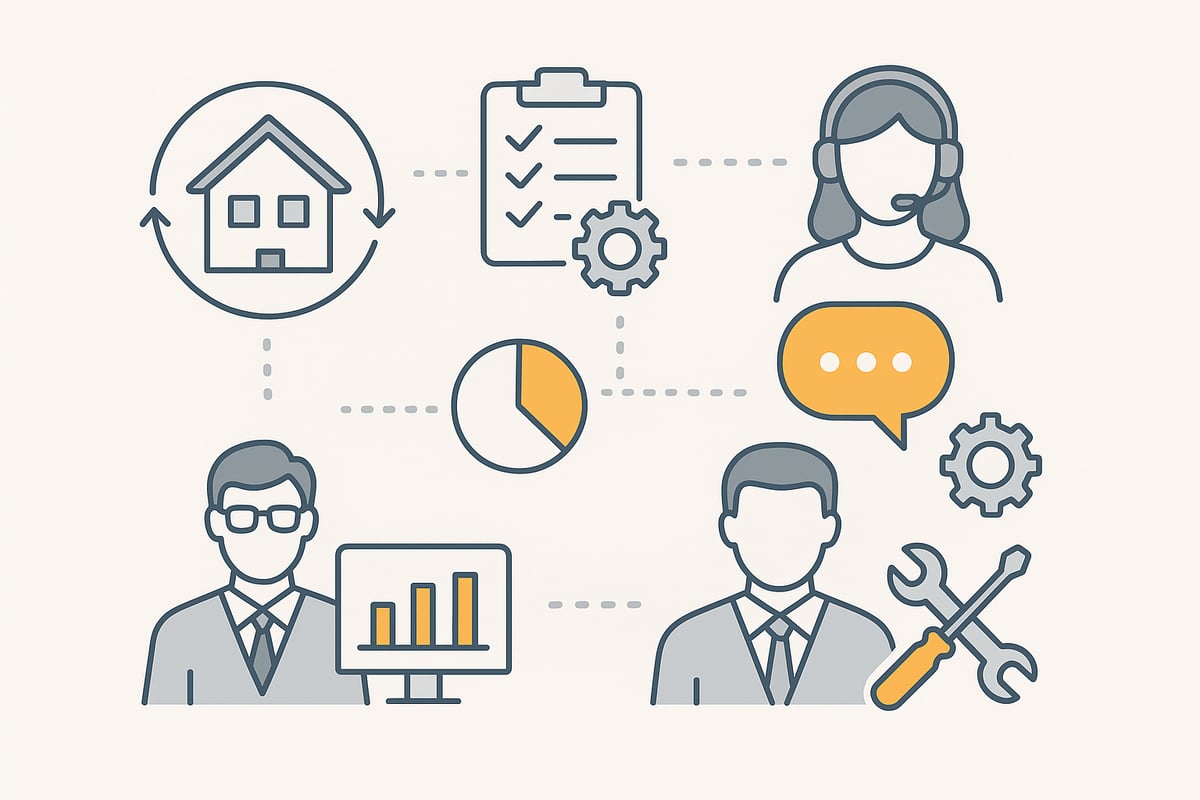
Distinction: Property management, WEG management, and real estate management
The terms property management, WEG management, and real estate management are often confused. A clear distinction is important: WEG management is concerned exclusively with the common property of condominium owners’ associations. A property manager, on the other hand, often also looks after rental properties and takes on tasks that go beyond common property.
The umbrella term is real estate management, which includes various special areas such as separate property management or commercial property management. Depending on the type of management, contracts, obligations, and legal foundations differ—for example, the Condominium Act (WoEigG) for WEG management or the German Civil Code (BGB) for rental management. Owners looking for the right type of management should be familiar with the terms. Errors in classification often lead to false expectations and misunderstandings.
A digital platform like filehub makes daily work immensely easier, especially when many employees and different types of management need to be coordinated. Networked systems enable centralized data storage and seamless collaboration.
|
Type of management |
Focus |
Legal basis |
|---|---|---|
|
Property management |
Rental properties, technical operations |
BGB, contract law |
|
WEG management |
Common property |
WoEigG |
|
Real estate management |
Umbrella term, all types |
Depending on the area |
The advisory board: role and composition
The advisory board usually consists of a chairperson and two assessors who are elected by the condominium owners’ association. Its main tasks are to support and supervise the property manager, for example when reviewing statements and financial plans. Decisions on the election or dismissal of the board are made at the owners’ meeting.
The board acts as a mediator between owners and property management and ensures transparency and oversight. According to DDIV, around 60 percent of WEGs in Germany have an active advisory board. Co-determination is limited, but liability remains manageable. In times of digitalization, the board also benefits from digital tools that provide documents and resolutions in a clear manner.
The core tasks of property management at a glance
The daily tasks of a property manager are diverse and go far beyond simple administration. From commercial management to technical maintenance, the property manager is the central interface for owners, tenants, and service providers. In times of digitalization, processes are changing rapidly, and only those who remain flexible can keep up with new challenges.
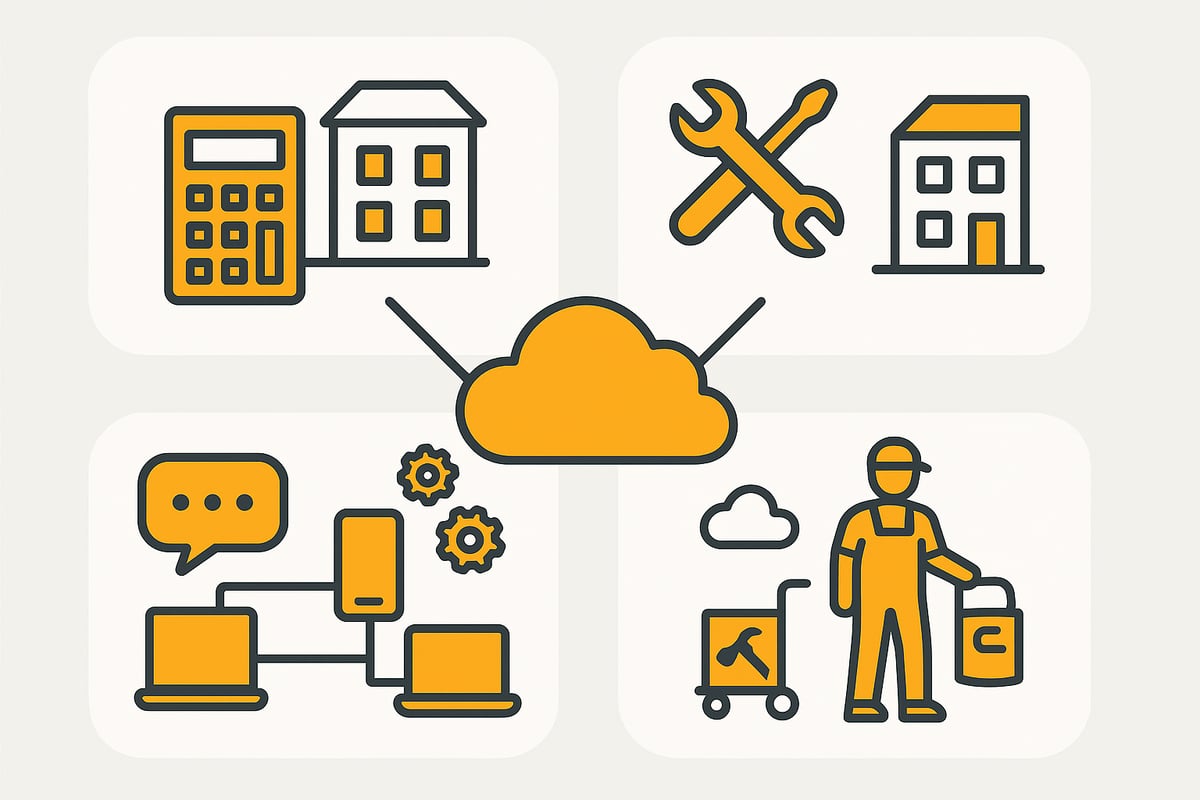
Commercial tasks
The core tasks of a property manager include professional control of all financial processes. This includes preparing financial plans, managing maintenance reserves, and monitoring payments. A property manager ensures transparent utility cost statements, handles accounting, and secures rental deposits.
Digital tools make these processes significantly easier. Automated statements reduce error rates considerably. More and more owners are demanding modern solutions that save time and provide clear figures. For example, over 75 percent of owners appreciate the relief provided by professional billing. If you want to learn more about the difference from other types of management, you can find details about real estate management and WEG management on the blog.
Technical tasks and maintenance
A property manager is responsible for ensuring that buildings function flawlessly from a technical standpoint. Organizing and monitoring repairs, maintenance, and modernizations are central. This includes commissioning tradespeople, complying with statutory inspection obligations, and fully documenting all measures.
Especially for larger properties, digital maintenance plans help keep track. A well-structured property manager ensures the long-term preservation of a property’s value and safety. The challenges are increasing as technology and legal requirements become ever more complex.
Communication and interface management
Communication is everything for a property manager. They are the point of contact for owners, tenants, and authorities, organize owners’ meetings, and ensure that resolutions are implemented. Conflict management and mediation in disputes are part of everyday life, as is information management.
Digital communication platforms create transparency and make processes traceable. Especially when many employees and external service providers are involved, networked systems are needed. With solutions like filehub, property managers can centrally manage documents, tasks, and messages, raising service to a new level.
Distinction from the janitor and other service providers
A property manager plans, controls, and monitors all processes, while the janitor performs practical tasks. Coordinating various service providers such as cleaning companies or security services is also part of the property manager’s responsibilities.
A clear separation of responsibilities is important. While the property manager is responsible for organization and oversight, others handle execution. This creates efficient processes and avoids misunderstandings. Clear distinctions protect both owners and managers alike.
Challenges and trends in property management 2026
Property management faces a transformation in 2026. New technologies, legal requirements, and rising owner expectations demand a rethink from every property manager. Those who now leverage the opportunities of digitalization and understand the differences between property management, WEG management, and real estate management lay the foundation for sustainable success.
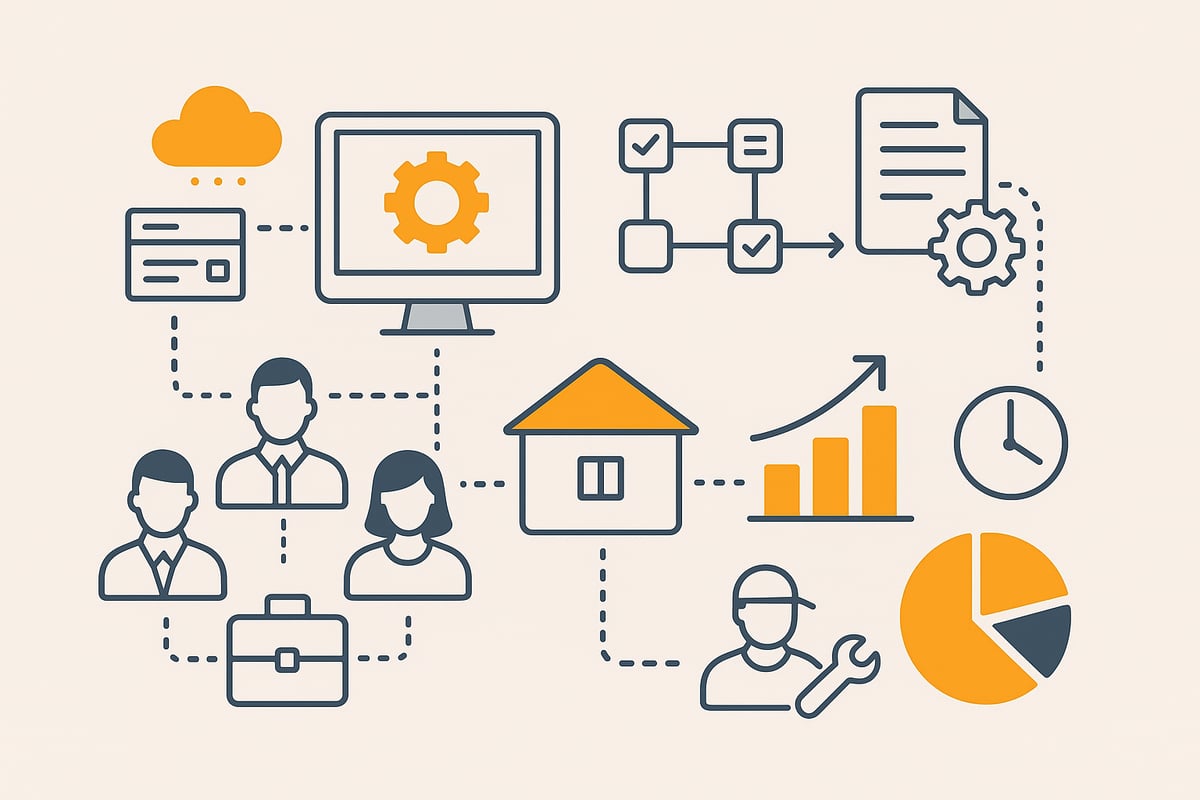
Digitalization and automation of processes
For every property manager, digitalization is becoming the decisive factor. Managing large volumes of data, digital communication, and automated accounting have long been part of everyday life. Modern software solutions facilitate not only billing but also the organization of maintenance and document filing.
A clear distinction from WEG management is crucial: while WEG management focuses on common property, traditional property management often looks after rental properties and separate property. Real estate management is the umbrella term and includes both areas. Those who know the differences can deploy the right digital tools in a targeted manner and avoid errors due to confusion of terms.
Networked systems and software as a success factor
The demands on property managers are increasing, especially when many properties and employees need to be coordinated. Networked systems are the key here: central platforms enable consistent data storage, automated workflows, and efficient communication with owners, tenants, and service providers.
Integrating accounting, CRM, and task management streamlines processes and minimizes sources of error. Especially in larger teams, smart software like filehub ensures transparency and clear responsibilities in the day-to-day operations of property management.
Efficient file automation with filehub
With filehub, the daily work of property managers becomes significantly easier. Invoices, contracts, and letters can be automatically retrieved, processed, and distributed to the right contacts. The platform connects seamlessly with common tools like Docuware, Outlook, or Dropbox—without any programming knowledge.
Thanks to GDPR-compliant data storage and intuitive operation, teams save time and reduce errors. This leaves more room for service, strategic planning, and individualized support for owners and tenants.
Legal and regulatory changes
The legal landscape is also evolving and challenging property managers. The WEG reform, stricter data protection requirements, and new reporting obligations demand complete, digital documentation and regular reporting. Smaller management firms in particular face the challenge of meeting these requirements efficiently. Those who now adopt digital archiving and automated processes will remain on the safe side legally in 2026.
Finding and hiring the right property manager
Choosing the right property manager is a crucial step for owners and investors. In times of digitalization, the requirements are rising. It’s no longer just about traditional administration, but about efficient control, legal security, and modern communication.
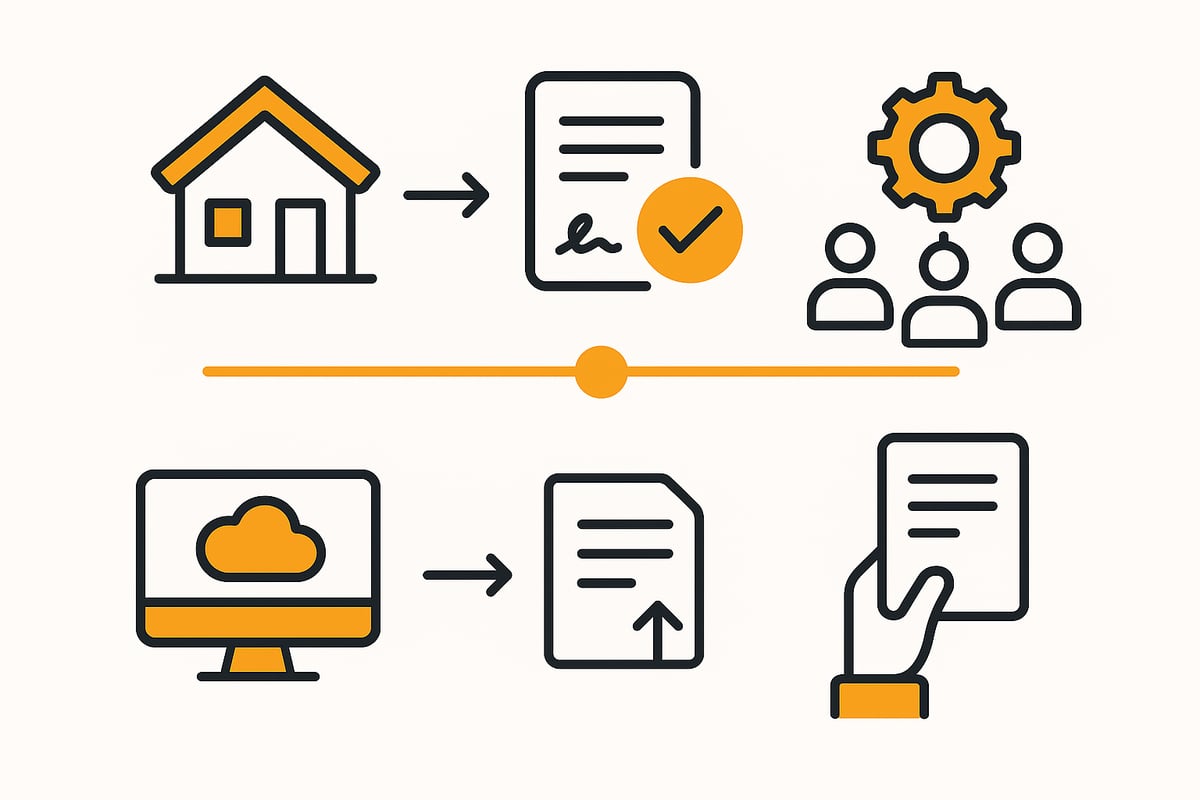
Selection criteria for professional property managers
A property manager takes on central tasks such as accounting, maintenance, and communication. But what should you look for when choosing one? In addition to expertise and experience, digital skills also count. Digital tools make management easier, especially when many employees or complex structures are involved.
Pay attention to these points:
-
Qualifications and certifications
-
Transparent cost structure
-
Use of modern software
-
References and reviews
-
Membership in professional associations
Property management is not the same as WEG management. The former looks after rental properties; the latter is responsible for common property. Both forms are part of real estate management, which makes classification easier. This way, you’ll find the management that truly fits your needs.
Contract design and scope of services
A clear contract protects both sides. The property manager should list their services in detail—from accounting and organizing meetings to looking after technical systems. Individual agreements for special services are advisable.
Key contract components:
-
Description of tasks and obligations
-
Compensation and additional costs
-
Contract term and notice periods
-
Arrangements for special services
Transparency is essential. Modern property managers rely on digital solutions for billing and reporting. This gives you insight into all processes at any time and allows you to react flexibly when adjustments are needed.
Handover and change of property management
Switching to a new property management company requires planning. For a smooth start, complete documentation and digital data migration are crucial. Handover protocols and clear deadlines help avoid information loss.
Handover checklist:
-
Lease agreements, statements, minutes
-
Access data for digital systems
-
Documentation of maintenance measures
-
Contact lists of relevant service providers
Especially for multiple properties or large teams, the use of networked systems pays off. Platforms like filehub simplify collaboration and ensure efficiency. A digital fresh start creates transparency and lays the foundation for successful management.
The future of property management: professionalization and digitalization
The future of property management is characterized by profound changes. Digitalization, increasing demands for service and transparency, and the need to manage complex processes efficiently are at the forefront. For modern property managers, this means flexibility, IT competency, and professional structures are essential.
New requirements for property managers in 2026
Property managers do far more than just manage rental properties. They coordinate commercial, technical, and communication tasks for owners, tenants, and service providers. The challenge: increasingly complex requirements, legal regulations, and a growing desire for transparency.
The distinction from WEG management is crucial. While traditional property management looks after rental properties or separate property, WEG management specifically deals with common property. Real estate management is the umbrella term; it encompasses traditional property management, WEG and separate property management, as well as commercial properties. Anyone working as a property manager must understand the difference to meet owners’ expectations.
Digitalization as the key to successful management
Digitalization is fundamentally changing the work of property managers. Modern software and automated workflows make accounting, document management, and communication easier. Digital platforms ensure transparency and faster processes—from utility cost statements to owners’ meetings.
A good example is filehub. With networked systems like filehub, invoices, contracts, and letters can be automatically processed and distributed. This reduces errors, saves time, and creates space for service and strategy. For property management firms with many employees and complex tasks, digital control becomes a success factor.
Networked collaboration within the team and with service providers
Future-proof property managers rely on networked collaboration. Platforms like casavi or immocloud enable efficient task distribution, status control, and transparent communication between teams and external service providers. Digital ticketing systems and automated status updates simplify coordination with tradespeople, accountants, and owners.
This creates clear responsibilities and less duplicate work. Introducing new systems requires training and change management—but it pays off through greater efficiency and better results. The property management of the future is digital, networked, and based on professional processes.
You’ve now seen how important digitalization and efficient processes are in property management in 2026—and how much potential for time savings and error reduction lies in smart workflows. If you want to find out how easily you can automate your document processes and bring more clarity to your day-to-day work, just try filehub yourself. This will give you a direct sense of how much more relaxed and productive modern property management can be.
Try filehub.one for free now


