EN16931 – Guide to the E-Invoicing Standard
Starting in 2025, companies in Germany and across Europe face a major transition: electronic invoicing according to EN16931 will become mandatory. Are you prepared?
Many companies encounter uncertainties, sources of errors, and compliance risks when introducing e-invoices. The en16931 brings clarity and ensures structured, machine-readable invoice data—an important step for modern accounting.
In this guide, you’ll learn how to use the en16931 to invoice not only in a legally compliant way, but also efficiently and automatically. We’ll walk you through all requirements, benefits, and practical implementation tips step by step.
Discover how to avoid common mistakes and what role standards such as XRechnung and ZUGFeRD play. Start your journey into the future of e-invoicing now!
What is EN16931? The basics of the EU standard for e-invoices
EN16931 is the Europe-wide standard for electronic invoices. Its goal is to create a unified standard that enables machine-readable and structured invoice data. Without this standard, numerous national formats existed that were often incompatible and led to errors or manual rework.
Standardization makes e-invoices comparable for companies, public authorities, and tax advisors throughout Europe. The standard is a central component of the EU VAT reform and supports the ViDA initiative, which advances digitalization and automation in accounting. For companies in Germany, this means that over 80 percent must be able to receive and process e-invoices according to EN16931 from 2026 onward.
Objective and background of the standard
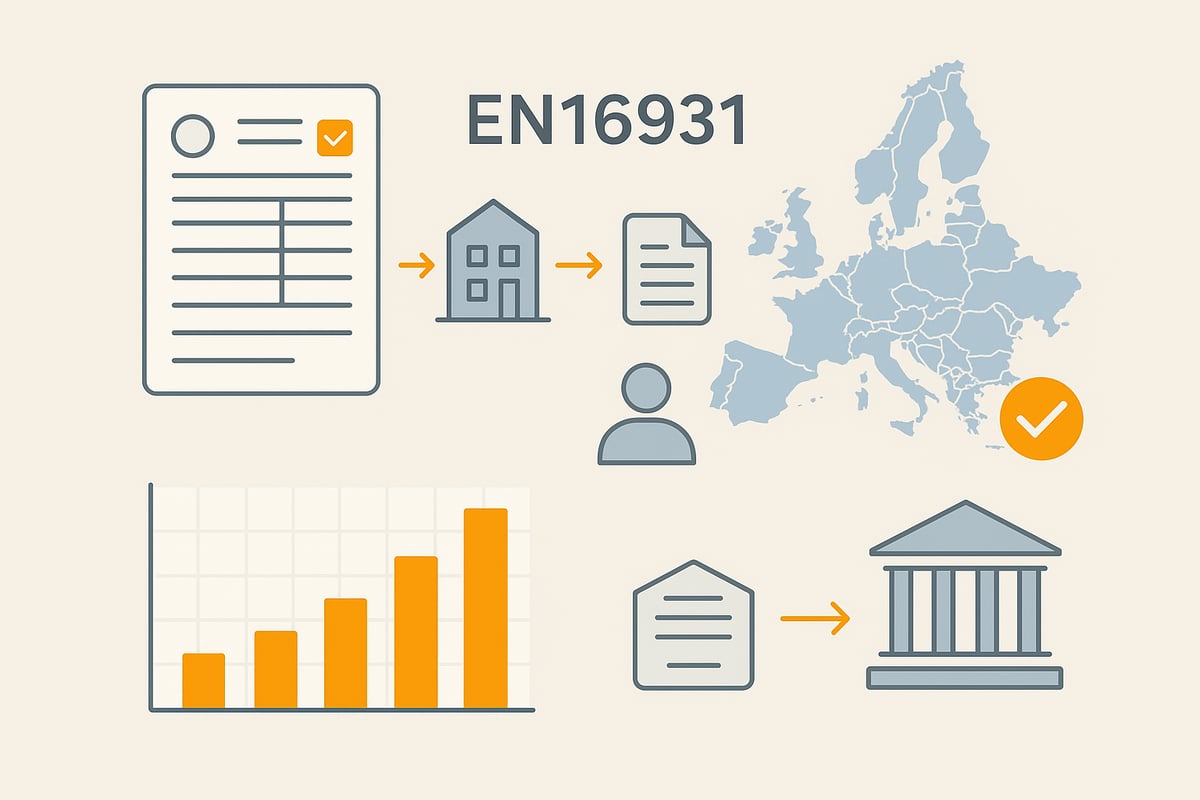
The introduction of EN16931 pursues a clear objective: invoice data should be standardized, machine-readable, and structured across Europe. Before the standard, numerous national e-invoice formats existed that were hardly compatible with one another. This led to additional effort, errors, and uncertainties in processing.
With the EU standard, a framework is created for the first time that is recognized by all EU member states. The standard is closely linked to the ViDA initiative and the planned EU VAT reform. It brings not only legal certainty but also efficiency and automation to the invoicing process.
For companies, public administrations, and tax advisors, this means: EN16931 will be mandatory from 2025. According to current studies, over 80 percent of German companies must be able to receive and process e-invoices—an essential step toward digital accounting.
Structure and layout of EN16931
EN16931 defines a clear structure and mandatory fields that every electronic invoice must contain. These include, among others, invoice number, date of issue, seller and buyer information, tax information, and payment terms. This ensures that every invoice can be processed in a machine-readable way in any EU country.
The data model of the standard supports both pure XML formats and hybrid formats that combine machine-readable and human-readable components. In Germany, the XRechnung (pure XML) and ZUGFeRD (hybrid format) formats are particularly relevant. Both formats are fully compatible with EN16931 and are accepted by public sector clients as well as companies. You can find more information about these formats in our articles on XRechnung and ZUGFeRD.
An example: The mandatory fields of a compliant XRechnung are mapped in a structured XML file in which all relevant information is clearly assigned. The standard distinguishes between technical (e.g., data format) and content (e.g., tax information) requirements. This provides security and transparency in the digital invoicing process and supports the practical implementation of en16931.
|
Mandatory field |
Description |
|---|---|
|
Invoice number |
Unique identification |
|
Date of issue |
Date the invoice was created |
|
Seller/Buyer |
Address and tax data |
|
Tax information |
VAT ID no., tax rates, amounts |
|
Payment terms |
Due date, cash discount details |
Legal framework and national implementation
EN16931 is firmly anchored in German law, for example in the VAT Act (section 14, UStG), the Commercial Code (HGB), and the Fiscal Code (AO). It forms the basis for mandatory e-invoicing in business transactions with public authorities (B2G) and, from 2026, also in the B2B sector.
There are differences in implementation within the EU, but the core requirements of EN16931 apply to all member states. This facilitates cross-border trade and provides greater transparency in accounting and tax audits. For small and medium-sized enterprises, switching to the standard is a challenge but also offers great opportunities for automation and efficiency gains.
Those who want to learn more about the introduction of the mandate and the legal background will find detailed information in the article Mandatory e-invoicing from 2025 approved.
The most important EN16931 requirements at a glance
The en16931 defines the rules of the game for electronic invoices across Europe. Anyone who wants to remain compliant must implement all requirements precisely. Which mandatory fields are crucial, which formats are accepted, and how do you ensure both technical and legal safeguards? Here are the most important aspects at a glance.
Mandatory information and data fields
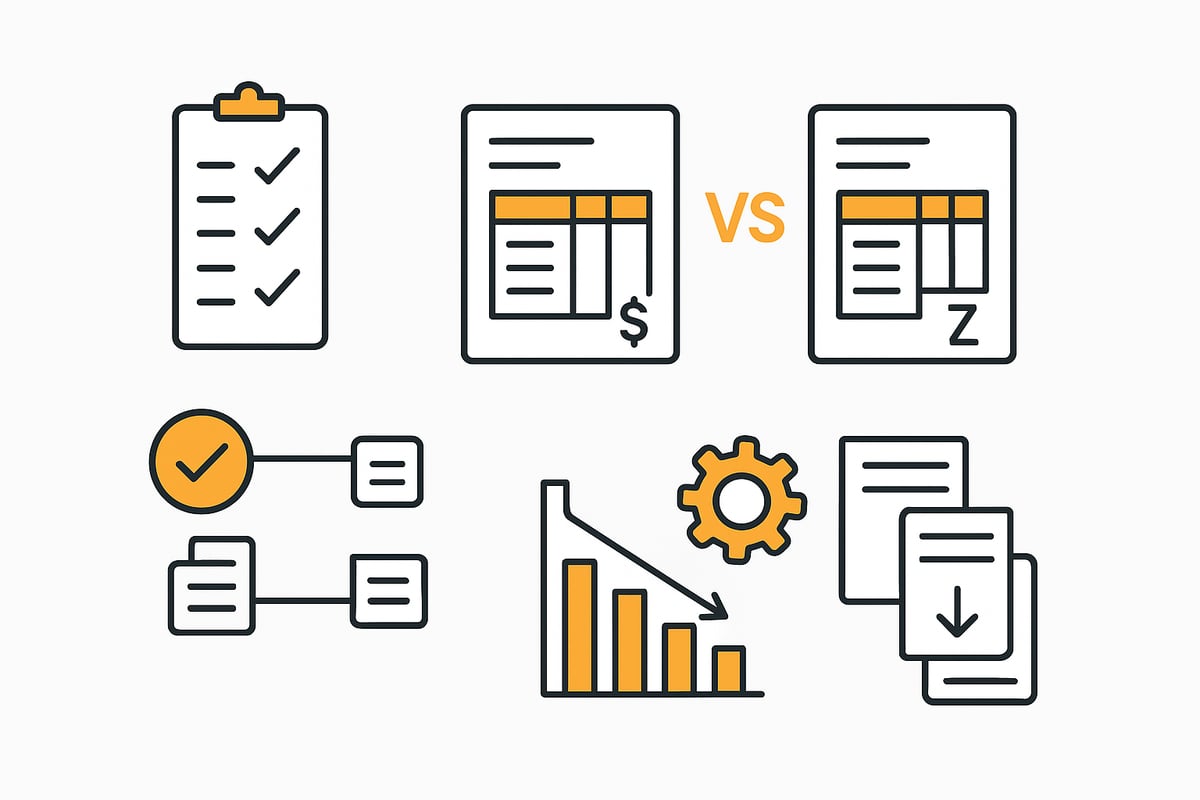
The standard specifies exactly which data must be included on every electronic invoice. These include:
-
Invoice number
-
Invoice date
-
Name and address of seller and buyer
-
Tax identification numbers
-
Date of supply
-
Tax rate and tax amount
-
Payment terms
Many companies often forget the date of supply or provide incomplete tax information. This can lead to invoices being rejected or to payment delays.
An example of mandatory fields in an XML-based invoice:
<Invoice>
  <ID>2024-12345</ID>
  <IssueDate>2024-04-15</IssueDate>
  <SellerName>Musterfirma GmbH</SellerName>
  <BuyerName>Kunden AG</BuyerName>
  <TaxTotal>190.00</TaxTotal>
</Invoice>
Depending on the invoice format used (e.g., XRechnung or ZUGFeRD), the requirements may vary slightly. If information is missing, there is a risk of tax disadvantages and compliance issues. Therefore, check each invoice to ensure all en16931 mandatory fields are filled in.
Technical formats: XRechnung and ZUGFeRD
Two formats are primarily used to implement en16931: XRechnung and ZUGFeRD.
XRechnung is a purely XML-based format developed specifically for the requirements of German public authorities. It is machine-readable and meets all en16931 specifications.
ZUGFeRD combines a structured XML file with a human-readable PDF. This hybrid format is especially popular among SMEs and is supported by many accounting solutions.
|
Format |
Structure |
Advantage |
Acceptance |
|---|---|---|---|
|
XRechnung |
XML |
Suitable for public authorities, standardized |
Mandatory for B2G |
|
ZUGFeRD |
PDF + XML |
User-friendly, flexible |
Widely used in B2B |
Both formats are compliant and can be generated and processed with modern ERP systems. A typical ZUGFeRD document contains the XML data embedded in the PDF so that both humans and machines benefit. Standardization significantly reduces error rates in invoice processing.
Validation, archiving, and compliance
In addition to structured creation, validation according to en16931 is equally important. Every invoice must be checked for technical and content correctness before being sent. There are specialized tools for this that automate XML validation and tax-law checks.
Electronic archiving is required by law. Invoices must be stored tamper-proof for at least 10 years. Audit-proof storage and traceability are key compliance requirements. Digital workflows that automate validation and archiving are particularly helpful. You can find an overview of suitable solutions under Workflows for accounting and invoicing.
According to studies, around 30 percent of rejected e-invoices fail due to missing mandatory information. With automated processes and regular updates, you stay on the safe side and meet all the standard’s requirements.
Common mistakes and pitfalls in EN16931 compliance
The introduction of en16931 brings many advantages but also challenges. In particular, when switching to electronic invoices, common mistakes repeatedly occur that can be costly for companies in Germany and Europe. Those who know the most important pitfalls can take targeted countermeasures and optimally implement the requirements of the standard.
Typical sources of error in practice
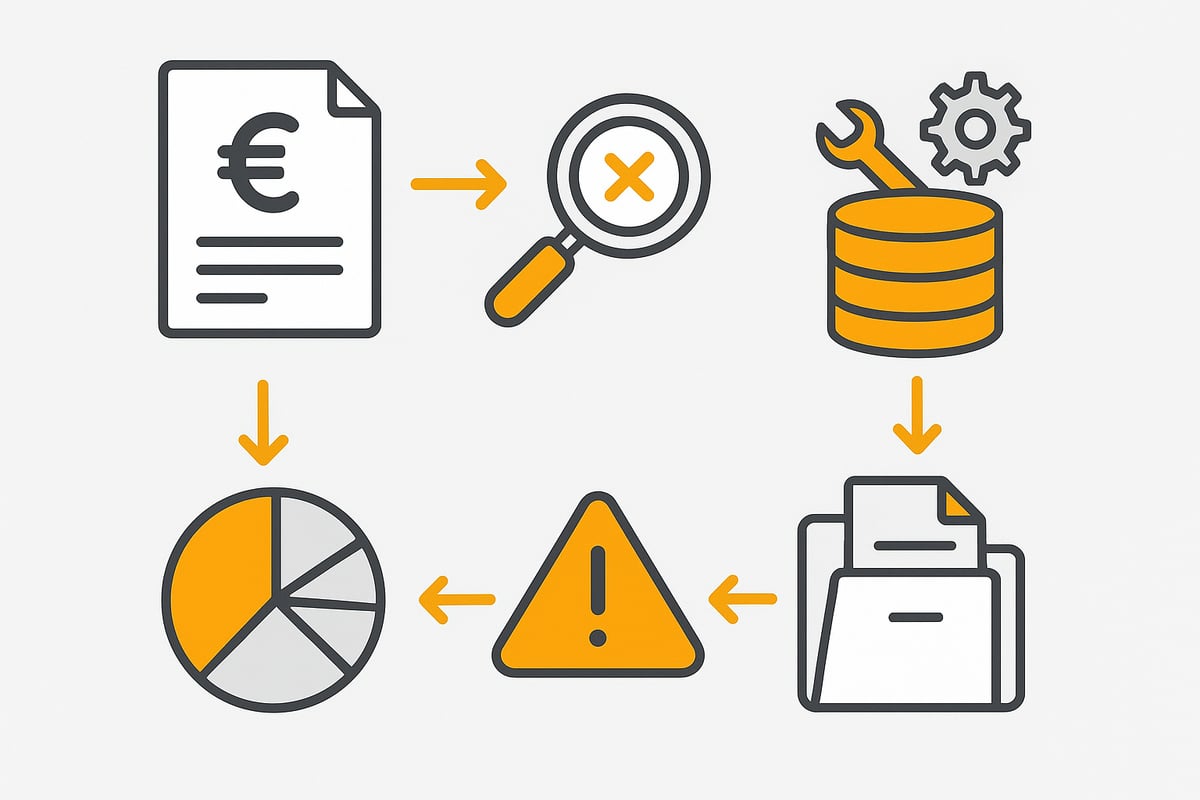
Many companies underestimate the complexity of en16931. Mandatory fields such as the date of supply, the correct tax ID, or clean amounts in the XML file are often missing. Particularly critical is any discrepancy between the human-readable PDF version and the machine-readable XML structure.
Sources of error at a glance:
-
Incomplete information under the HGB or UStG despite a formally valid e-invoice
-
Incorrect assignment of fields in the XML format, for example for buyer and seller data
-
Incorrect formatting of dates or amounts
-
Failure to consider specifics of XRechnung and ZUGFeRD
-
Rejection by public contracting authorities due to missing validation
A typical example: An invoice is technically accepted, but a tax audit reveals that the date of supply is missing. This leads to problems with recognition by the tax office. Those who carefully check the conditions of the standard can avoid such errors.
Consequences of faulty e-invoices
Errors in implementing en16931 can have serious consequences. Even minor deficiencies can lead to invoices being rejected by authorities or business partners. This causes delays in the payment process and increases administrative effort.
The most common consequences include:
-
Payment delays and loss of cash discounts due to necessary corrections
-
Risk of losing the input VAT deduction if mandatory information is missing
-
Additional workload for accounting due to queries and corrections
-
Compliance and liability risks during tax audits
-
Archiving issues if invoices are not stored in an audit-proof manner
Studies show that over 25 percent of companies report problems with e-invoice processing. Errors in en16931-compliant invoices can therefore become real cost traps.
Solutions and best practices to avoid errors
To avoid errors in en16931 compliance, more and more companies are relying on automated checking processes and specialized tools. Regular training for accounting and IT is just as important as clear checklists for invoice verification.
Proven measures:
-
Validate all e-invoices with specialized tools before sending and upon receipt
-
Automated checking processes in accounting and ERP systems
-
Use solutions such as the automated invoice download tool, which automatically retrieves and validates invoices according to the en16931 standard
-
Work with experienced e-invoicing service providers
-
Continuously update validation rules and software
These best practices sustainably reduce sources of error. This keeps the implementation of en16931 efficient, secure, and legally compliant.
Step by step: How to implement EN16931-compliant e-invoices
Introducing the standard in your company is not a sprint, but a structured process. Only with clear steps can you ensure that your e-invoices are truly compliant, efficient, and future-proof.
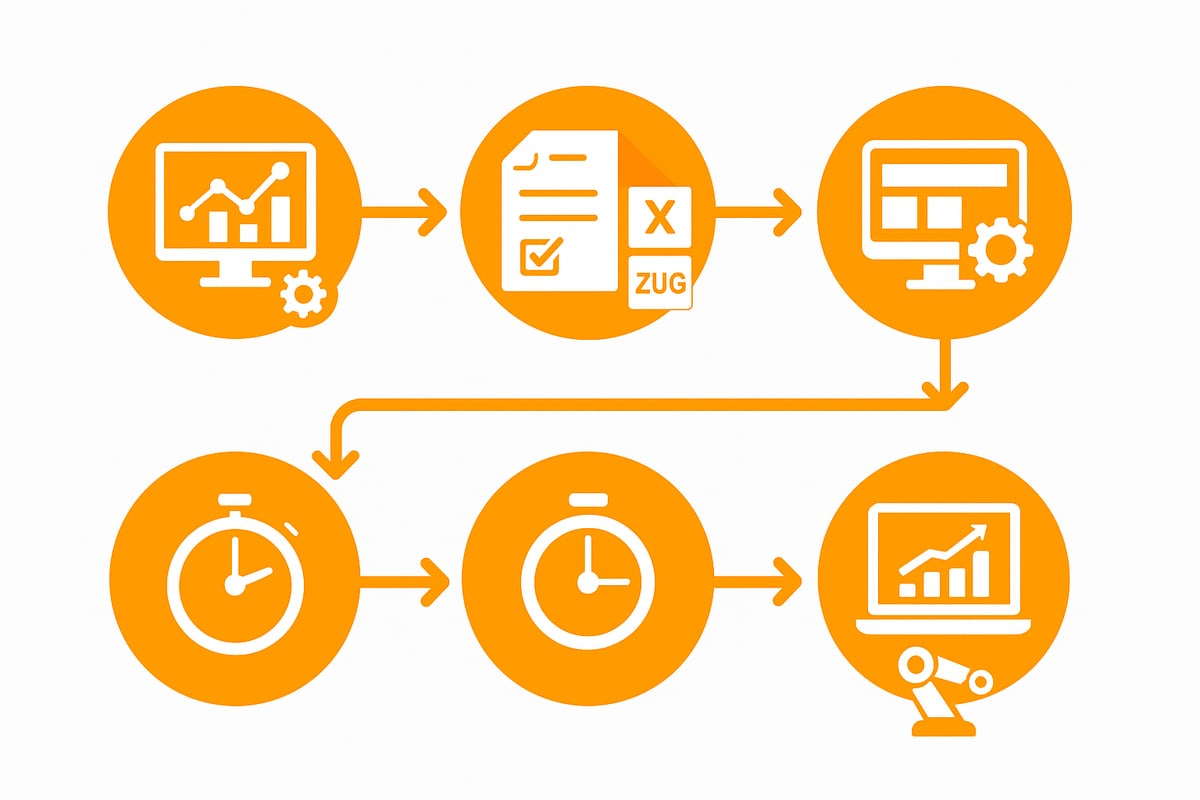
Preparation and system analysis
Start with an assessment of your current finance systems. Check whether your accounting and ERP systems already support the requirements of en16931. Analyze which interfaces to other applications exist and how current invoicing processes run.
Decide whether XRechnung or ZUGFeRD is a better fit for your business partners and processes. Check whether your workflows can be automated to minimize sources of error and increase efficiency. A practical example: a mid-sized company migrates from paper-based invoices to a cloud-based e-invoicing system that maps all en16931 mandatory fields.
Create an overview of all relevant process steps and document where adjustments are necessary. This solid preparation is the foundation for successful implementation.
Implementation and testing phase
Next, choose suitable e-invoicing software that supports the requirements. Adapt invoice templates and workflows to the new standards. Technical validation of your electronic invoices is particularly important. Use test invoices to ensure compliance with all mandatory fields and format specifications.
Involve your suppliers and customers early so that the transition runs smoothly. Automated checking processes help identify errors before invoices are sent. Modern tools like automated e-invoicing processes provide practical support for designing compliant workflows efficiently.
Rely on regular tests and feedback to identify weaknesses and continuously optimize your processes.
Operations and continuous improvement
The work doesn’t end after go-live. Continuously monitor all incoming and outgoing e-invoices to ensure compliance. Perform regular software updates, as both XRechnung and ZUGFeRD are continuously being developed.
Automate as many steps as possible to save time and avoid errors. Train your staff in accounting and IT regularly so they stay up to date. Prepare specifically for tax audits and compliance audits by documenting your archiving processes and validation rules.
With this structured approach, your company remains compliant and efficient over the long term and benefits from the advantages of the en16931 standard.
The role of automation and digital platforms for EN16931
Digital transformation is rapidly changing invoicing. Automation is the key to meeting the requirements of en16931 efficiently, securely, and in a future-proof way. Those who digitize processes benefit from fewer errors, faster workflows, and greater transparency in accounting.
Increasing efficiency through automated workflows
Automated workflows are the backbone of successful en16931 implementation. They reduce manual activities and minimize the risk of transmission errors. Invoice data is taken directly from the ERP system, checked, and further processed.
Benefits of automated processes:
-
Time saved in processing
-
Significantly fewer errors in mandatory fields
-
Clear traceability of all processing steps
Companies can thus relieve their accounting teams and avoid payment delays. Integration into existing systems ensures that compliant invoices flow and are archived seamlessly.
filehub: Implement automated e-invoicing processes with ease
Modern platforms like filehub offer solutions specifically developed for en16931. With just a few clicks, XRechnung and ZUGFeRD formats can be integrated into existing IT landscapes. The platform automates the retrieval, validation, and forwarding of e-invoices from various sources.
Through the solutions for the finance department, the entire invoicing process is made more efficient and audit-proof. Companies benefit from a GDPR-compliant cloud infrastructure designed specifically for German SMEs.
Such platforms enable reliable implementation of en16931 requirements, even in complex software landscapes or when many different invoice formats need to be processed.
Future trends: AI, ViDA, and new standards
Developments around the standard remain dynamic. Artificial intelligence is increasingly helping with automatic data extraction and error detection. This means invoices are not only checked faster, but potential problems are identified proactively.
With the EU’s ViDA initiative and new technical standards, requirements for e-invoices will continue to rise. Companies that embrace automation early gain a clear competitive advantage. Projections show that by 2028 over 90 percent of all invoices in the EU will be exchanged electronically and according to en16931 standards.
EN16931 checklist: How to stay compliant and efficient
The switch to en16931-compliant e-invoices involves many details. With this checklist, you can make sure step by step that your invoicing processes meet current standards and that you avoid compliance risks.
Checklist for EN16931-compliant e-invoices
|
Check step |
Description |
Status |
|---|---|---|
|
System analysis |
Are your ERP/accounting systems en16931-capable? |
☐ |
|
Format selection |
Is XRechnung or ZUGFeRD correctly integrated? |
☐ |
|
Mandatory fields |
Are all standardized mandatory fields present? |
☐ |
|
Validation |
Are invoices validated before sending? |
☐ |
|
Archiving |
GDPR-compliant, audit-proof storage? |
☐ |
|
Updates |
Are software and formats updated regularly? |
☐ |
This table helps you keep track and work through open points systematically.
Tips for collaboration and efficient implementation
-
Work with IT and accounting service providers at an early stage.
-
Use specialized tools for validation and archiving.
-
Train your team regularly on digital processes.
-
Create internal checklists for the invoice workflow.
-
Check whether your format choice (XRechnung, ZUGFeRD) fits your business partners.
Resources and further links
Stay up to date: Regularly inform yourself about new versions of XRechnung and ZUGFeRD. ZUGFeRD 2.4 released, for example, meets the requirements of the standard and offers additional functions for practical use.
Also keep up to date on legal changes and updates to the ViDA initiative. This is the only way to ensure your processes remain compliant and efficient in the long term.
You’ve now seen how important it is to process e-invoices in a legally compliant, efficient, and automated way according to EN16931—especially with new obligations coming into effect from 2026. With filehub, you can do exactly that: automate your invoicing processes, connect different systems without any coding, and ensure seamless workflows—all GDPR-compliant and made in Germany. Make it easy on yourself and see how easily digitalization and compliance can go hand in hand.


