Diamant Software: Automating Accounting in 2026
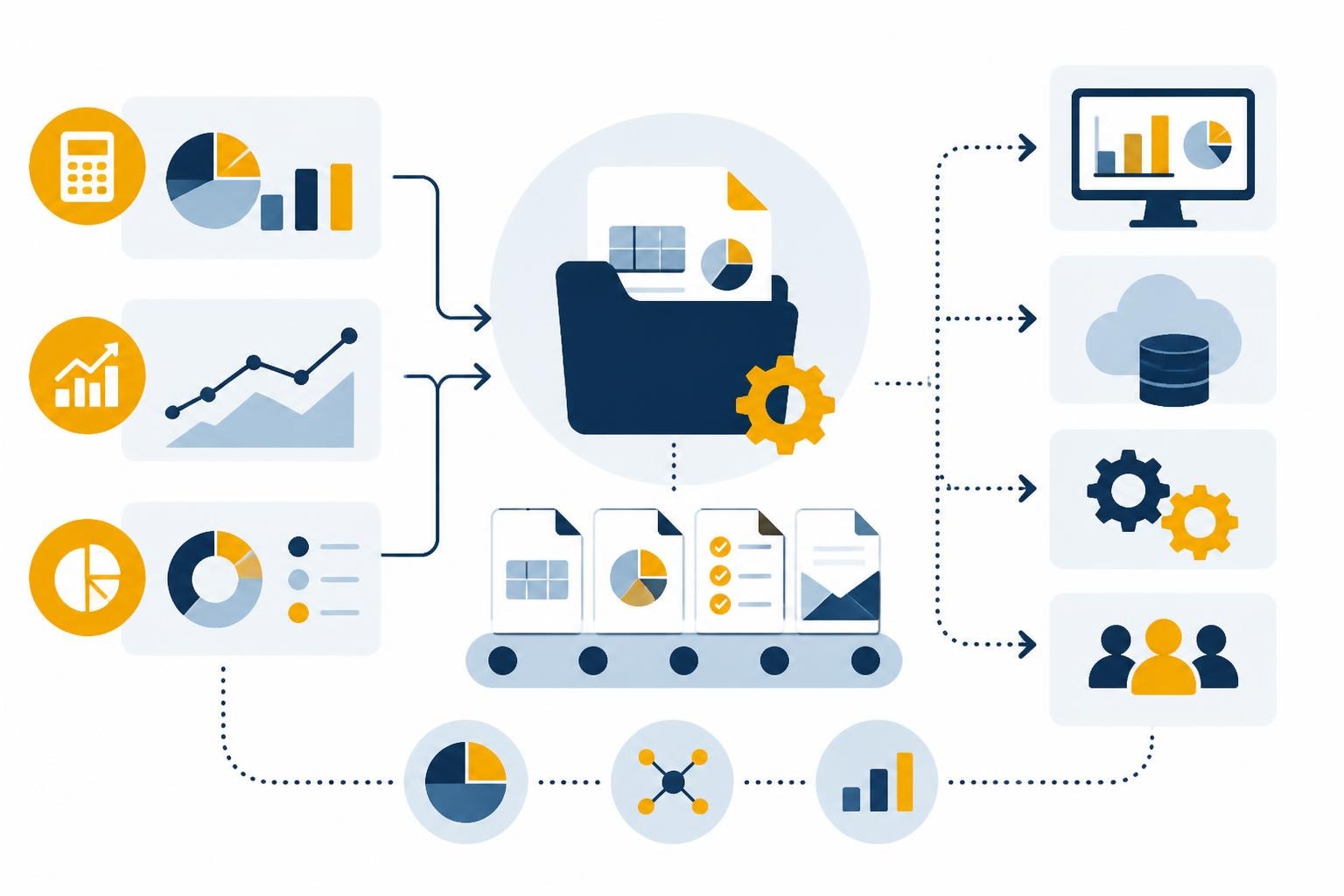
The digitalization of accounting is no longer a topic for the future in 2026, but a business-critical reality. Companies that have not yet automated manual processes in financial accounting are losing valuable resources every day. Diamant Software has established itself over the past decades as a reliable partner for medium-sized companies when it comes to professional accounting software. The solution combines accounting, controlling, and cost accounting in a seamless platform—and thus provides the perfect foundation for modern automation strategies. Especially in combination with file automation tools, fully digital process chains emerge that reduce manual interventions to a minimum.
What is Diamant Software and who is it suitable for
Diamant Software is an established accounting solution from Germany, developed specifically for the requirements of medium-sized companies. The software covers all core areas of financial management and stands out with deep integration into existing IT landscapes.
Core features and modules
The Diamant/4 platform offers a modular system that can be flexibly adapted to different company sizes:
Financial accounting: Full bookkeeping with automatic account reconciliations
Fixed asset accounting: Management of fixed assets with automatic depreciation
Cost accounting: Transparent cost structures and profitability analyses
Controlling: Real-time reporting and business intelligence
Payroll: Integrated payroll with up-to-date legislation
The software is known as a certified "Made in Germany" solution and meets the highest standards regarding data protection and GDPR compliance.
Target audiences of Diamant Software
Diamant Software is aimed primarily at medium-sized companies with 50 to 500 employees that require professional accounting processes. Particularly well represented are industries such as:
Manufacturing companies with complex cost accounting
Service companies with project-based billing
Healthcare and social institutions
Trading companies with inventory management integration
⚡ While you click, your competitors already automated.
With filehub, your Diamant/4 documents move on their own — in, out, always in sync — the switch takes minutes.
Automating document workflows with Diamant Software
Its true strength unfolds when companies connect the accounting solution with intelligent automation tools. This creates end-to-end process chains that eliminate manual activities.
Automating incoming invoice processing
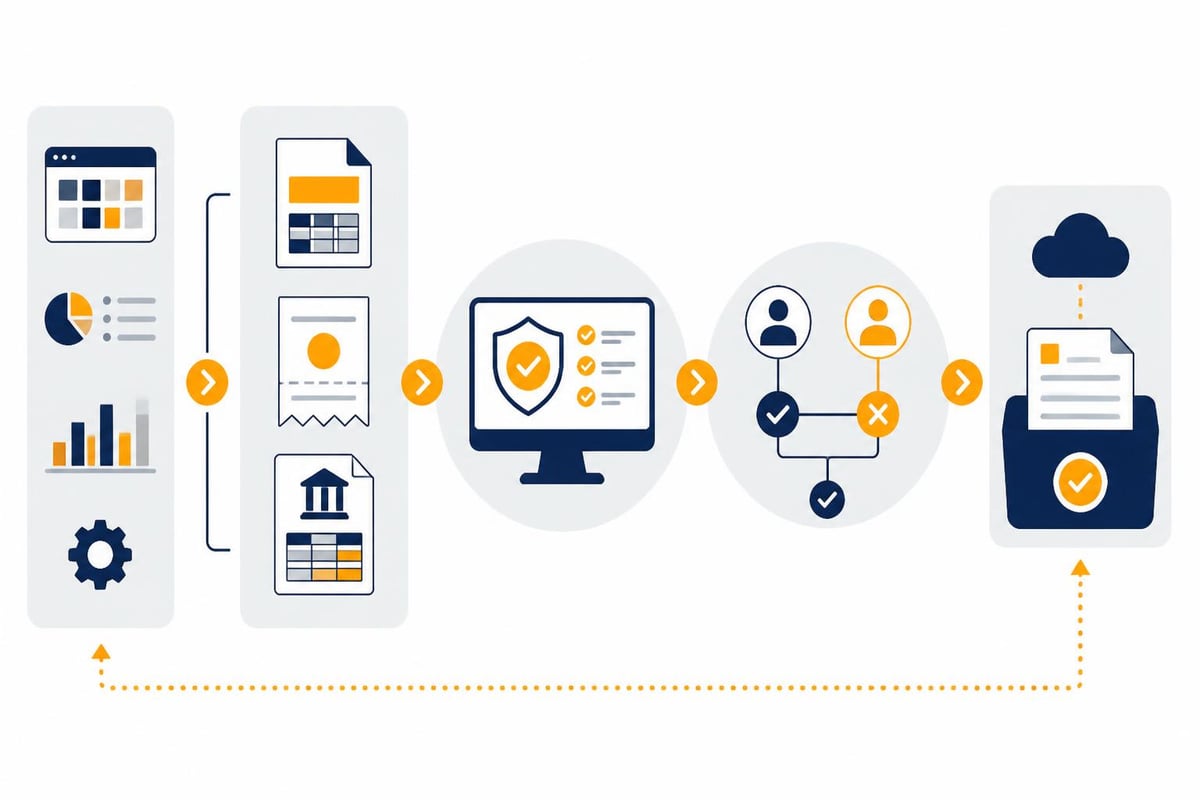
One of the most time-consuming tasks in any finance team is processing incoming invoices. The classic process includes:
Receipt of invoice by email, mail, or download portal
Manual entry into the accounting software
Review and approval by responsible employees
Posting and payment release
Digital archiving
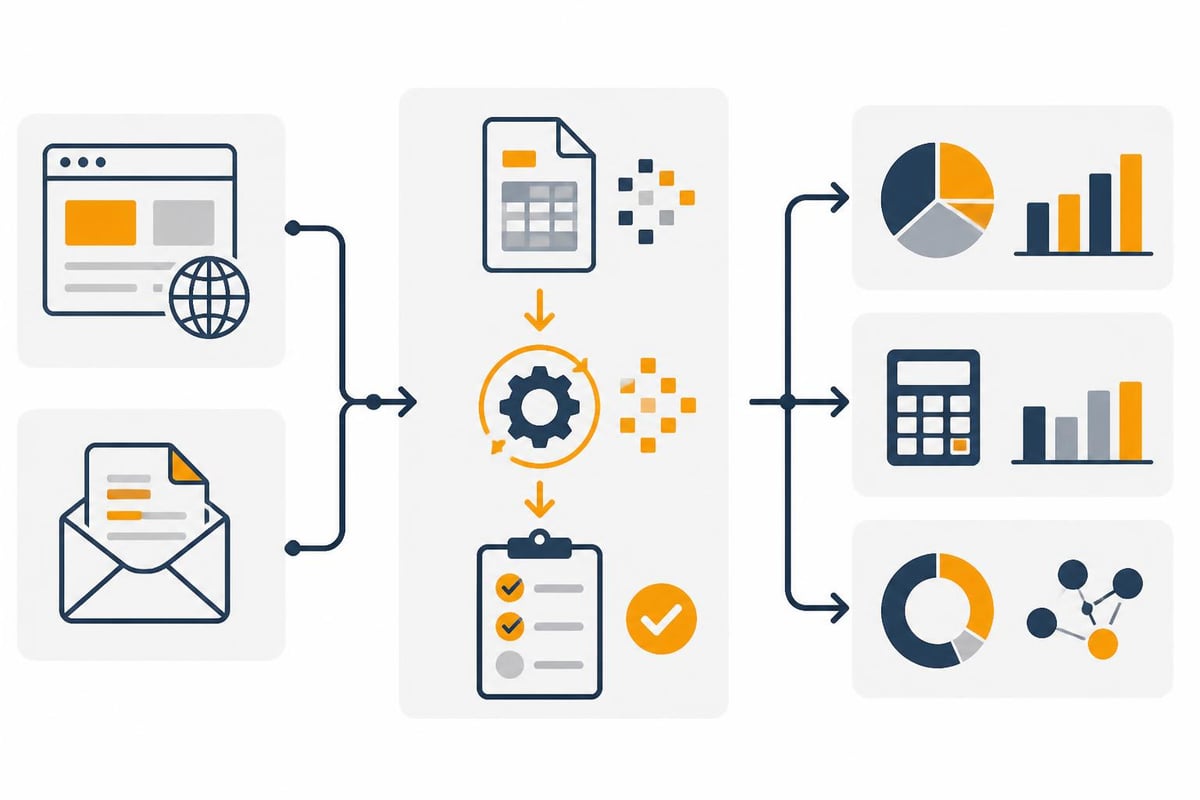
With a file automation platform like filehub, this workflow can be fully automated. The platform automatically retrieves invoices from web portals, extracts relevant data, and transfers them in a structured way to diamant software. This not only saves time but also significantly reduces sources of error.
Integration of ZUGFeRD and e-invoicing
From 2027, e-invoicing will be mandatory in Germany for B2B transactions. Diamant Software is already part of the ZUGFeRD community and comprehensively supports electronic invoice formats.
Feature | Benefit | Automation potential |
|---|---|---|
ZUGFeRD import | Structured data import | No manual entry required |
XRechnung processing | Public contracting authorities | Fully automatic validation |
PDF/A archiving | Legally compliant archive | Automatic long-term archiving |
The combination of diamant software and automated invoice retrieval makes it possible to handle the entire purchase-to-pay process without human intervention. Automated invoice processing thus becomes the standard.
Connection to document management systems
Modern finance departments do not work in isolation, but as part of a company-wide information flow. Diamant Software can be connected to leading DMS solutions:
Popular integrations:
DocuWare for audit-proof archiving
AMAGNO for collaborative document management
Microsoft SharePoint for company-wide approval processes
These connections make it possible for posted documents to be archived automatically in the right context—including metadata, approval history, and linking to projects or cost centers.
Best practices for using Diamant Software
Successful use depends not only on technical implementation, but also on strategic decisions and organizational framework conditions.
Chart of accounts and master data maintenance
The quality of posting data stands and falls with a cleanly structured chart of accounts. Diamant Software offers standardized templates (SKR03, SKR04) that can be individually extended.
Tips for optimal master data:
Clear naming conventions for cost centers and cost objects
Regular cleanup of inactive accounts
Consistent use of posting keys
Enable automatic plausibility checks
Particularly important: Master data maintenance should be organized centrally. Many companies fail due to decentralized structures in which different departments create conflicting data.
Authorization concepts and compliance
Diamant Software offers granular authorization concepts that cover both internal controls and regulatory requirements. Particularly relevant in 2026 are:
GoBD compliance: Immutability of posted documents
EU taxonomy: Reporting for sustainability-related disclosures
GDPR: Privacy-compliant processing of personal data
Four-eyes principle: Automatic approval workflows
The software is recognized as a certified solution and is continuously adapted to new legal requirements.
Reporting and business intelligence
One of the greatest potentials lies in the evaluation options. The integrated business intelligence component enables:
Ad hoc analyses without external tools
Multidimensional evaluations according to various criteria
Automatic report generation with scheduling
Export to Excel, PDF, or directly to presentation tools
Modern companies use this data not only for month-end closings but for daily management decisions. Combined with automated data pipelines, self-service BI solutions emerge that provide executives with up-to-date KPIs at any time.
🔄 Digitalisation isn't a question of if — only when.
With filehub, your Diamant/4 documents move on their own — in, out, always in sync — the switch takes minutes.
Integrating Diamant Software into existing IT landscapes
Most companies do not operate the software in isolation, but as part of a complex software ecosystem. Seamless integration is critical to success.
ERP and inventory management systems
Diamant Software can be connected to leading ERP systems, including:
System | Integration method | Typical data flows |
|---|---|---|
Microsoft Dynamics 365 | Standard interface | Orders, invoices, cost data |
SAP Business One | API-based | Material movements, accounts receivable data |
Odoo | REST API | Product master data, orders |
The integration with Microsoft Dynamics 365 Business Central is particularly popular with growing companies, as it enables an end-to-end process chain from production planning to financial accounting.
Cloud storage and collaboration tools
Modern work environments rely on cloud-based collaboration. Diamant Software integrates seamlessly into these ecosystems:
Microsoft 365: Outlook integration for capturing documents directly from emails
Google Workspace: Google Drive as a central document repository
Teams: Notifications and approvals in the familiar communication tool
These integrations reduce media discontinuities and allow employees to work in their familiar environment, while all data is automatically synchronized into diamant software in the background.
Industry-specific solutions
Diamant Software is established in various industries, with specific adaptations:
Healthcare: Special modules for hospitals and care facilities that map complex billing structures. The solutions in the healthcare sector take DRG billing and budget management into account.
Public administration: Cash-based accounting and double-entry bookkeeping in parallel, adapted to municipal requirements.
Manufacturing: Integration of shop floor data collection (BDE) and machine data collection (MDE) for timely cost accounting.
Data security and GDPR compliance with Diamant Software
For German companies, data protection and IT security are non-negotiable. Diamant Software, as a German software product, meets the highest standards.
Technical security measures
The software implements multi-layered security concepts:
Encrypted data transmission with TLS 1.3
Role-based access controls with audit trails
Automatic backup routines with versioning
Two-factor authentication for privileged access
Especially when combined with cloud services, data encryption is essential. Automated backup routines ensure that no financial data is lost.
GDPR and data protection
Diamant Software regularly processes personal data—from employee salaries to customer data. The software offers:
Logging of all accesses to personal data
Option to pseudonymize in analyses
Automatic deletion concepts after defined periods
Data minimization through selective permissions
The combination of German software development and local data storage gives companies maximum control over their sensitive financial data.
🔄 Digitalisation isn't a question of if — only when.
End the data chaos — filehub keeps Diamant/4 fully in sync, all the time — the switch takes minutes.
Future perspectives: AI and machine learning in financial accounting
Development is not standing still. For 2026 and the coming years, several trends are emerging that will fundamentally change how the software is used.
Intelligent document processing
Modern OCR and AI technologies already make it possible not only to capture documents but also to understand their content. Future versions could:
Perform automatic plausibility checks based on historical data
Detect unusual posting patterns and suggest them for review
Make intelligent account assignment suggestions based on document text and vendor
Identify duplicates even with slightly differing amounts
The integration of AI-powered solutions like natifAI shows where things are headed: fully automated document processing with a minimal error rate.
Predictive analytics for better planning
Diamant Software collects valuable financial data over the years. This historical information is the perfect foundation for predictive analyses:
Use cases:
Cash flow forecasts based on seasonal patterns
Early detection of liquidity bottlenecks
Automatic budget suggestions for subsequent years
Supplier evaluation based on payment terms and reliability
Integration with digital business cards and CRM
The boundaries between financial software and customer management are increasingly blurring. Modern solutions such as digital business cards from Spreadly make it possible to link business contacts directly with financial data. When a sales representative exchanges a new digital business card, this information can automatically be created in diamant software as a new customer — including all relevant master data.
The same applies to centralized email signature management: Contact data from signatures can be automatically matched with and updated in customer master data.
Training and change management when using Diamant Software
The best software is of little use if employees cannot use it effectively. Especially with accounting software, team acceptance is critical to success.
Training concepts for different user groups
Diamant Software targets different user groups with different requirements:
User group | Training focus | Time required |
|---|---|---|
Accounting staff | Day-to-day operations, posting logic, month-end closing | 3-5 days |
Controllers | Analyses, cost accounting, reporting | 2-3 days |
Managers | Dashboard usage, KPI interpretation | 0.5 days |
IT administrators | System administration, interfaces, authorizations | 2-4 days |
Companies are successful when they not only offer initial training but also promote continuous learning—for example, through regular update sessions or internal power-user networks.
Typical challenges during implementation
The introduction is a change project that goes beyond pure technology. Common stumbling blocks:
Resistance to process changes: Long-standing employees stick to familiar procedures
Data migration: Legacy data from legacy systems must be transferred cleanly
Interface complexity: Integration into existing systems takes longer than planned
Lack of resources: Day-to-day business continues in parallel with implementation
Partnership with implementation experts is often crucial. Memberships in technology networks like it's OWL show that diamant software is also active in innovation ecosystems and shares best practices.
Cost considerations and ROI calculation
The investment in diamant software needs to be well planned. A realistic cost assessment includes more than just license fees.
Total cost overview (TCO)
One-time costs:
Software licenses based on number of users
Implementation and customizing
Data migration from legacy systems
Training for employees
Ongoing costs:
Annual maintenance and support contracts
Hosting (for the cloud variant) or own infrastructure
Regular updates and adjustments to changes in legislation
Internal administration efforts
Total costs for medium-sized companies typically range between 15,000 and 100,000 euros per year, depending on company size and complexity.
Calculating return on investment
The ROI of any finance program primarily results from efficiency gains and error reduction:
Quantifiable savings:
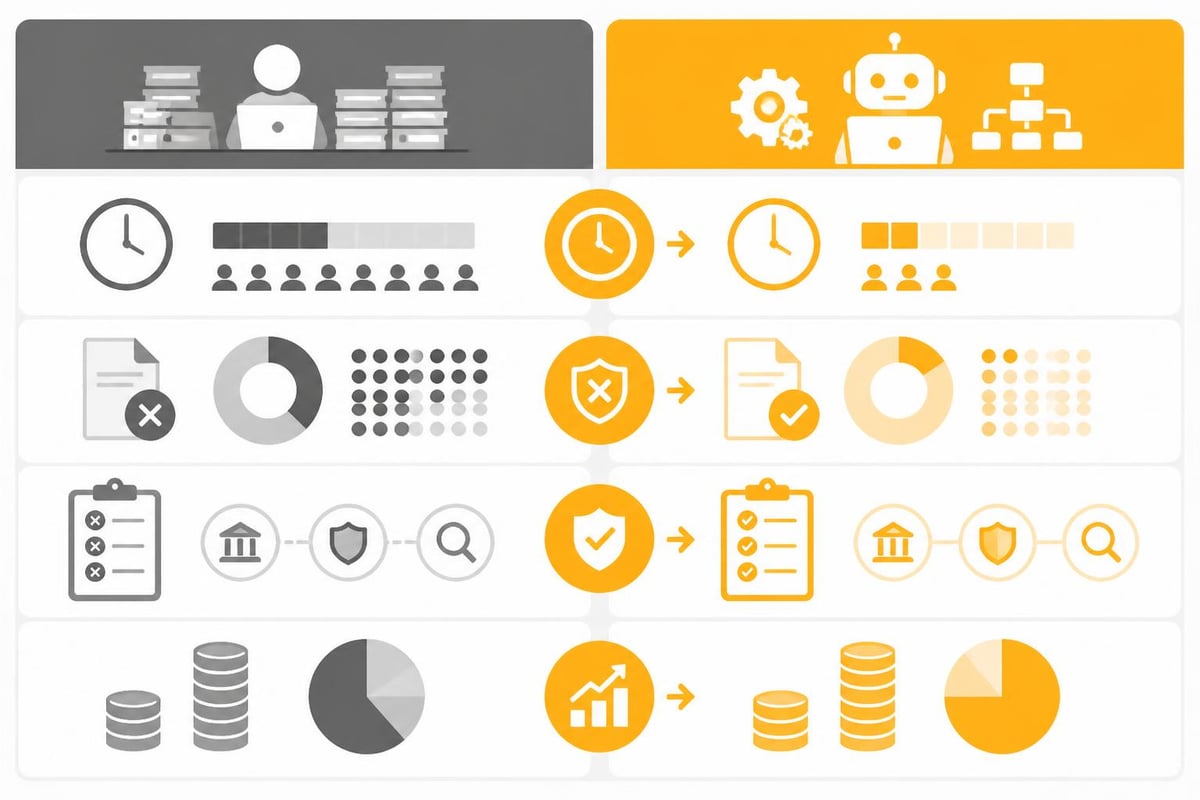
Time savings in posting operations (on average 30–40%)
Reduction of mispostings and the effort to correct them
Faster month-end closings (often halving the closing time)
Elimination of external consulting services due to better transparency
A typical medium-sized company with 200 employees often reaches the break-even point after just 12–18 months when personnel costs and error costs are taken into account.
Comparison with alternative solutions
Diamant Software positions itself in the middle ground between simple cloud accounting tools such as Lexoffice or SevDesk and enterprise solutions like SAP.
Advantages over simple tools:
More comprehensive functionality (cost accounting, controlling)
Better scalability for growing companies
Deeper integration into ERP landscapes
Advantages over enterprise software:
Significantly lower implementation costs
Faster rollout times
More flexible customization options without developers
For many medium-sized companies, diamant software thus offers the optimal sweet spot between functionality and cost-effectiveness.
Practical examples of successful implementations
The abstract benefits are best illustrated through concrete use cases.
Automated travel expense accounting
A service company with 120 employees and frequent customer visits processed about 200 travel expense reports per month. The manual process—from collecting receipts to review and reimbursement—took an average of 8 working days per employee.
Implemented solution:
Employees photograph receipts with a smartphone app
OCR recognition extracts amounts and categories
Automatic matching with travel policies
Approval workflow to supervisors
Direct posting in the software
Automatic transfer to the employee’s account
Result: Reduction of processing time to under 2 days, increased employee satisfaction, saving of 0.5 FTE in accounting.
Multi-entity group accounting
A medium-sized manufacturing company operates sites in Germany, Austria, and Switzerland. Each entity had its own accounting systems, which made group consolidations extremely labor-intensive.
The implementation of a central instance with a multi-tenant structure enabled:
Uniform charts of accounts with country-specific extensions
Automatic currency conversion and consolidation
Centralized evaluations across all entities
Local compliance for tax requirements
The time for group closings was reduced from 3 weeks to 5 days.
Integration with e-commerce platforms
An online retailer with 5,000 orders per month struggled with the manual transfer of sales data into accounting. By connecting the shop software with diamant software via a workflow automation, the following are now:
Sales posted daily automatically as consolidated entries
Incoming payments matched with open receivables
Cancellations and returns processed correctly
VAT advance returns prepared automatically
The effort for accounts receivable accounting fell by 75%, while at the same time the timeliness of financial data increased significantly.
The digitalization of accounting with diamant software offers medium-sized companies enormous potential for increasing efficiency and reducing errors. In particular, the combination of professional financial software and intelligent automation creates end-to-end processes that minimize manual interventions. If you want to automate your document workflows around invoices, receipts, and financial data, filehub is the perfect complement to your existing accounting software. The GDPR-compliant platform from Germany seamlessly connects diamant software with web portals, email systems, and cloud storage—without programming, with maximum security.


